

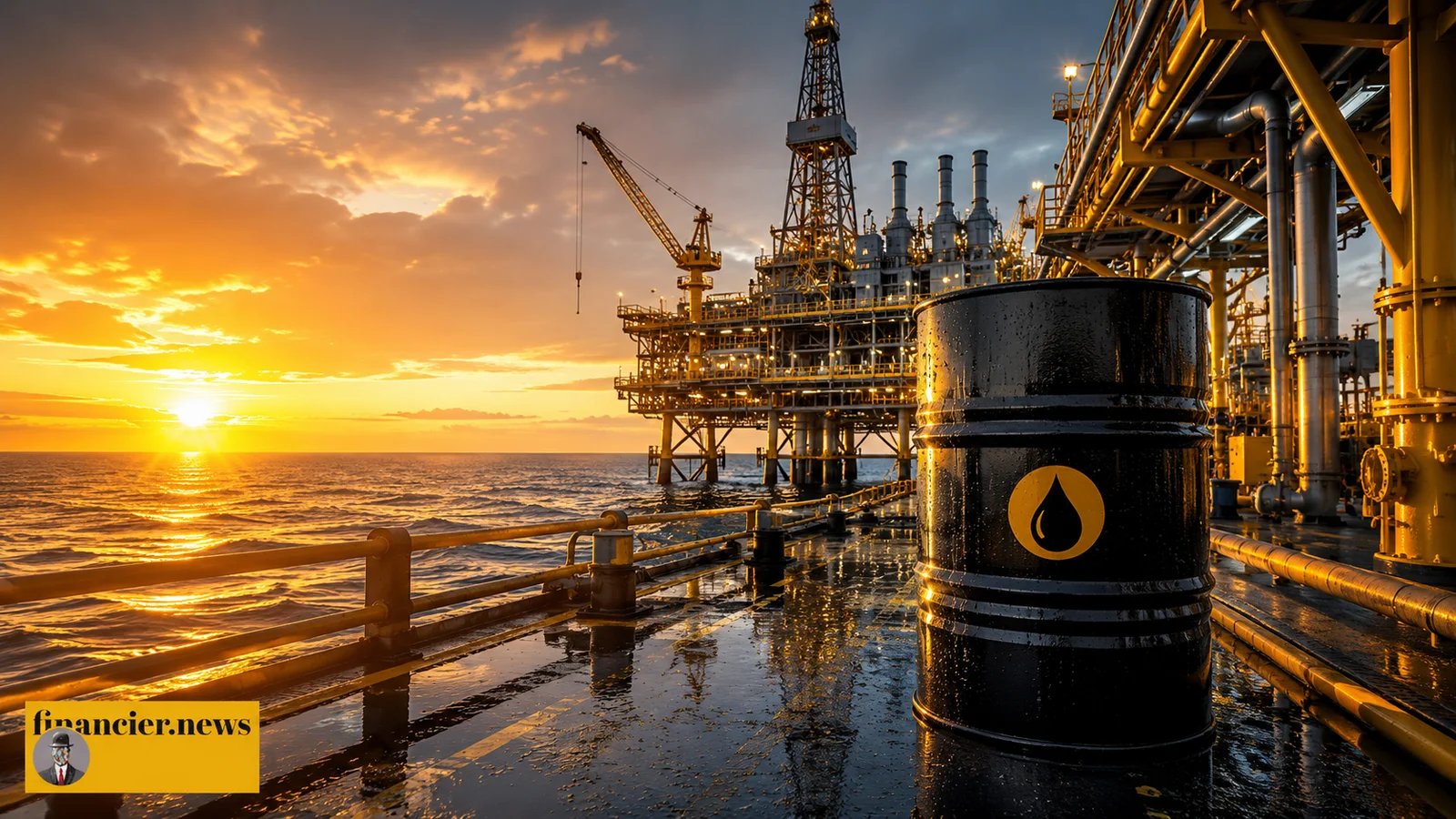
Qatar Turns to US Gas as Iran War Reshapes Trade
Qatar has agreed to buy U.S. liquefied natural gas, a landmark deal that underscores how the conflict with Iran has redrawn global energy supply chains and handed American exporters an unexpected advantage. The agreement, confirmed in recent days, marks a strategic shift for the Gulf state, which is itself one of the world’s largest LNG producers.
The Iran war has disrupted traditional shipping lanes and raised security concerns across the Middle East, pushing buyers to seek supply from more stable regions. U.S. LNG, backed by abundant domestic shale gas and a growing export infrastructure, has emerged as a preferred alternative. The Qatar deal is the latest sign that the conflict is accelerating a realignment of global gas flows.
Cheniere and US Exporters Capture a Premium
American LNG producers, led by Cheniere Energy (ticker: LNG), are the clearest beneficiaries. Cheniere operates the Sabine Pass and Corpus Christi terminals, which together account for a significant share of U.S. export capacity. The company’s shares have outperformed the broader energy sector since the conflict began, reflecting expectations of higher volumes and stronger pricing.
The Qatar agreement is likely to support long-term contracts for U.S. supply, providing revenue visibility for exporters. It also signals that even major producers like Qatar see value in diversifying their sourcing, a hedge against regional instability. For Cheniere, the deal could mean additional offtake agreements or joint ventures, though specific terms were not disclosed.
Other U.S. players, including Venture Global and NextDecade, may also benefit as global buyers seek secure supply. The war has already prompted European and Asian importers to accelerate talks with U.S. exporters, according to industry reports.
Why the Iran Conflict Redraws Energy Routes
The Iran war, which escalated earlier this year, has made the Strait of Hormuz—a critical chokepoint for global oil and gas—riskier to navigate. Insurance costs for ships transiting the region have risen sharply, and some buyers are avoiding Gulf-origin cargoes altogether. Qatar, despite its vast reserves, relies on the Strait for most of its exports, making diversification a strategic imperative.
By buying U.S. gas, Qatar can secure supply for its own domestic needs or for re-export, while reducing its exposure to the Strait. The move also strengthens U.S.-Qatar ties and could pave the way for deeper energy cooperation. For the global market, the deal reinforces the trend of regionalization, where buyers prioritize supply security over cost.
Price Signals and the Risk of Overcapacity
U.S. natural gas benchmark Henry Hub prices have risen modestly since the deal was announced, though they remain below the highs seen earlier in the year. The front-month contract traded near $3.20 per million British thermal units on Friday, up about 4% for the week. Asian spot LNG prices, meanwhile, have climbed as buyers compete for secure cargoes.
However, the surge in U.S. export capacity—with several new terminals slated to come online in 2027 and 2028—could eventually lead to oversupply. If the Iran conflict de-escalates, demand for U.S. gas as a hedge may fade, pressuring prices. The Qatar deal is a near-term positive, but the longer-term balance depends on how quickly new supply hits the market.
What to Watch: Contract Terms and Hormuz Risk
Investors should watch for details of the Qatar agreement, including volume, duration, and pricing formula, which could set a benchmark for other deals. Any signs of a ceasefire or diplomatic breakthrough with Iran would likely reduce the security premium on U.S. LNG. Conversely, further escalation could accelerate the shift toward American supply.
The key number to monitor is the U.S. LNG export utilization rate, currently around 90%, according to industry data. If it approaches 100% and new capacity is delayed, prices could spike. The next quarterly earnings from Cheniere, expected in early November, will provide insight into how the company is capitalizing on the shifting landscape.
Sources: cnbc.com · LNG Industry · Bloomberg.com · Reuters · Yahoo Finance