

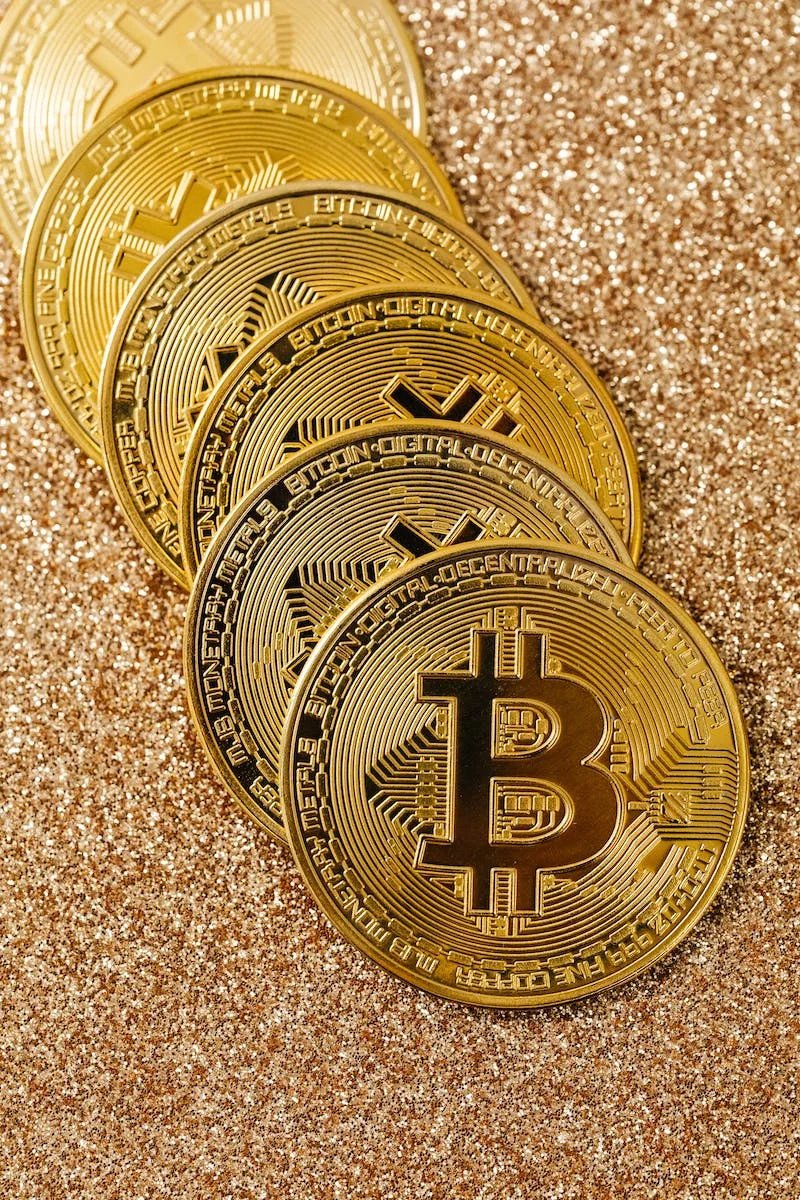
Sparkassen Opens Crypto Trading to First Banks
Germany’s Sparkassen savings-bank group began a phased cryptocurrency-trading rollout inside its existing banking app on 19 October 2026, bringing an asset class it once treated with caution into mainstream retail finance. The first participating institutions now offer trading in Bitcoin, Ethereum, XRP, Solana and Polygon, according to the group’s association, which spoke to German news agency dpa.
The move is not a national switch-on. Each regional savings bank decides when to participate, and the rollout is gradual: 30 to 40 institutions are expected to join each month, with a substantial number of interested banks connected during the first half of 2027. DekaBank is providing the service, with Börse Stuttgart involved in custody arrangements.
DekaBank and Börse Stuttgart Power the Backend
DekaBank, the securities house for the Sparkassen group, is handling the trading infrastructure, while Börse Stuttgart’s custody arm manages the storage of digital assets. That setup lets customers buy and sell crypto through the Sparkassen app without opening a separate account at a specialist exchange. The convenience is central to the strategy: the banks are betting that familiarity and existing relationships will keep customers from migrating to mobile-first trading apps.
Still, the messaging is deliberately cautious. Sparkassen continues to describe cryptocurrencies as highly speculative and warns of steep volatility and total loss. Traditional savings products remain its preferred route for broad long-term wealth building, and the group says the crypto product is intended for customers making their own trading decisions rather than for a mass marketing drive.
Why the Rollout Pace Matters More Than Reach
The headline customer reach of the entire Sparkassen network is large, but the real test is how quickly individual branches opt in. With 30 to 40 institutions joining each month, full coverage will take time, and the pace of adoption will determine whether the service becomes a meaningful channel for crypto demand or remains a niche offering. The phased approach also gives the banks room to refine compliance and custody processes before scaling.
For the German retail market, the change is significant. Banks built on deposits and household relationships are responding to demand that previously went to specialist exchanges and mobile-first financial apps. The question is whether Sparkassen customers will embrace crypto trading inside a familiar banking app, or whether the cautious framing will limit uptake.
Market Context: Bitcoin Near $81,700 as Rollout Begins
The rollout arrives with Bitcoin trading at $81,689.24, down 0.40% on the day, while Ethereum sits at $2,395.66, down 0.54%. XRP is at $1.30, down 0.33%, and Solana is at $104.53, up 0.49%. The subdued price action underscores the cautious backdrop: crypto markets remain volatile, and Sparkassen’s warning of total loss is not theoretical.
For the banks, the opportunity is fee income and customer retention. For crypto exchanges, the risk is disintermediation as traditional banks offer a trusted on-ramp. The involvement of Börse Stuttgart adds a layer of institutional credibility, but it does not eliminate market risk for retail customers.
What to Watch: The 2027 Connection Target and Branch Opt-Ins
The key metric to watch is the number of Sparkassen institutions that go live each month. If the group hits the upper end of its 30-to-40-per-month range and connects a substantial number of banks by the first half of 2027, the service could become a meaningful competitor to specialist exchanges. A slower pace would suggest that caution inside the branch network is limiting adoption.
Also watch the regulatory environment: any change to crypto custody rules or tax treatment in Germany could alter the economics for both Sparkassen and its customers. For now, the rollout is a measured step, not a revolution, but it marks a notable shift for a sector that has long kept crypto at arm’s length.
Sources: rss_autopost · BTC Newsroom · Bloomberg.com · Yahoo Finance · Startup Fortune