

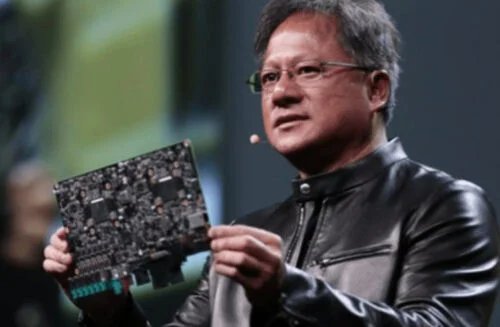
Nvidia and AMD shares fell after the two chipmakers rolled out a slate of new artificial intelligence hardware and software designs aimed at future data centers, a set of announcements that failed to re-energize investors who have already bid up AI-linked semiconductor stocks on expectations of explosive growth. The presentations centered on architectures and platforms intended for data centers that have yet to be built, rather than products that will drive revenue in the current quarter. That distinction mattered to a market that has spent much of the past two years rewarding companies able to show tangible, near-term AI revenue. When the details landed, both stocks moved lower, a sign that the event did not deliver the kind of concrete financial catalysts traders have come to expect from the sector’s leaders.
Why the Market Shrugged
The core issue, according to analysts, is timing. The hardware and software designs introduced are aimed at future AI data-center deployments, and the revenue potential from those products is still far out. For investors who have watched AI-related valuations climb sharply, an event that sketches out a multiyear roadmap without updating near-term revenue expectations can feel like a reason to take profits rather than add to positions. That dynamic is not unique to this event. Semiconductor stocks tied to AI have become highly sensitive to any news that does not clearly extend the growth narrative. Expectations are so elevated that even genuinely ambitious product announcements can disappoint if they do not come with a visible path to near-term sales. The reaction in Nvidia and AMD shares suggests the market is increasingly discriminating between long-term vision and near-term earnings power.
The Broader AI Trade
Nvidia has been the single most prominent beneficiary of the AI investment cycle, with its data-center chips becoming the backbone of large-scale model training and inference. AMD has positioned itself as a challenger in AI accelerators, seeking to capture a share of the same data-center spending wave. Both companies therefore carry valuations that assume continued, rapid adoption of their AI products. When announcements skew toward future designs, the immediate read-through for revenue is limited. Analysts noted that the products discussed are not expected to contribute meaningfully in the near term, which leaves the current earnings picture unchanged. In a market that has grown accustomed to upward revisions, an unchanged outlook can be enough to prompt selling.
What to Watch
The next catalysts for both names will likely come from quarterly results and any updates on production timelines, customer commitments, and data-center capital spending by major cloud providers. Those are the data points that translate AI enthusiasm into reported revenue. Until then, the stocks may remain vulnerable to swings driven by sentiment rather than fundamentals. For now, the message from the market is straightforward: ambitious roadmaps are no longer sufficient on their own. Investors want to see the revenue, and they want to see it sooner rather than later.
Sources: marketwatch.com · NVDA Newsroom · Yahoo Finance · WSJ · Reuters