

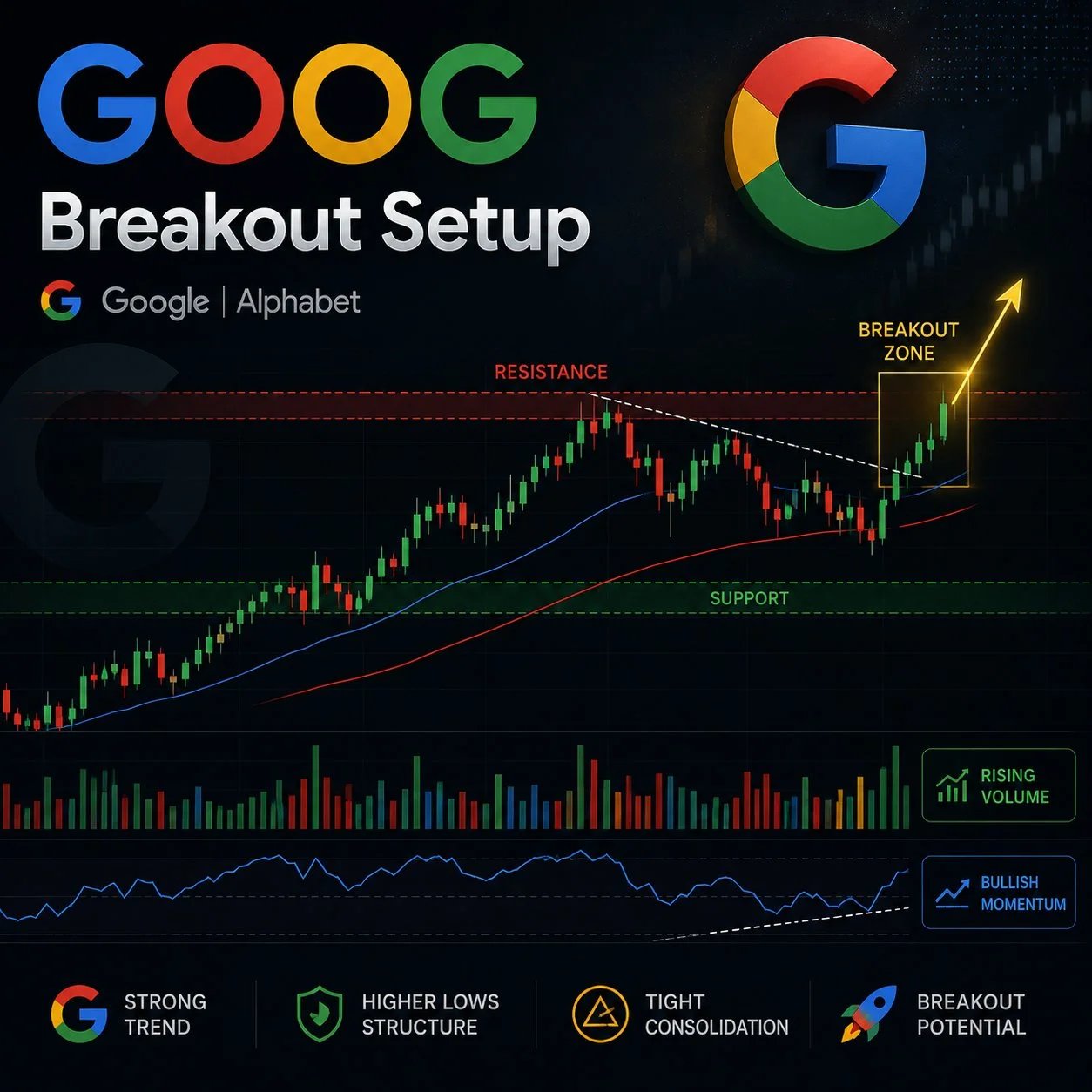
- Unity Software ($U) shares surged following the announcement of a new artificial intelligence partnership with Google ($GOOGL) tied to gaming.
- The deal centers on integrating Google’s AI capabilities into Unity’s engine and advertising ecosystem, a core growth narrative for the company.
- Unity has been restructuring under CEO Matthew Bromberg, cutting costs while trying to stabilize its core engine and Grow advertising businesses.
- Investors should weigh near-term dilution and restructuring charges against the long-term optionality of AI-driven monetization.
- The stock remains highly volatile and sensitive to headline risk, making position sizing critical.
What the Google Deal Actually Means
Unity Software ($U) rallied sharply after confirming a new artificial intelligence collaboration with Google ($GOOGL) focused on gaming. The headline is straightforward, but the market reaction reflects something deeper: investors are treating any credible AI partnership as validation that Unity’s engine and advertising stack remain strategically important to the largest platform companies in the world. For a stock that has spent much of the past two years under pressure, that validation matters.
The substance of the arrangement, based on the company’s disclosures, involves embedding Google’s AI tooling and cloud infrastructure more deeply into Unity’s development and monetization pipeline. In practical terms, that could mean faster content creation for developers, smarter ad targeting inside Unity’s Grow network, and tighter integration with Google’s broader ecosystem. None of these are overnight revenue drivers, but they address the two questions that have dogged Unity: can it keep developers loyal, and can it grow ad revenue profitably?
The Bull Case and the Bear Case
The bull case rests on optionality. Unity sits at the intersection of game development, real-time 3D, and digital advertising. If AI lowers the cost of building games and increases the volume of content, Unity’s engine and ad network become more valuable, not less. A partnership with Google lends credibility to that thesis and could accelerate enterprise adoption in non-gaming verticals like automotive, industrial simulation, and film. Bulls also point to the company’s cost-cutting progress under CEO Matthew Bromberg, which has narrowed losses and improved the path to sustainable profitability.
The bear case is equally clear. Unity’s core growth has been uneven, and the advertising business faces intense competition from AppLovin, Meta, and Google itself. A partnership announcement does not guarantee incremental revenue, and investors have been burned before by deals that generated headlines but little in the way of measurable financial results. Restructuring charges, stock-based compensation, and the lingering overhang from prior guidance cuts all weigh on sentiment. The stock’s sharp move higher also means expectations have reset upward, leaving less room for execution missteps.
How to Think About Valuation
Unity is not a value stock, and it should not be underwritten like one. It trades on future cash flow and strategic relevance rather than current earnings. That makes it sensitive to interest rates, risk appetite, and any change in the AI narrative. Investors who own it should be comfortable with volatility and should size positions accordingly. Those considering entry after a surge should recognize that buying into strength after a headline-driven pop often means paying a premium for news that may take quarters to show up in the numbers.
The Bottom Line for Investors
The Google partnership is a genuine positive signal for Unity, but it is a signal, not a result. The company still needs to demonstrate that AI integration translates into developer retention, ad revenue growth, and improving margins. Until those metrics show up in quarterly reports, the stock will remain a story-driven name. Investors should watch the next few earnings cycles for evidence that the collaboration is producing tangible commercial traction, and treat any further rallies as opportunities to reassess rather than reasons to chase.
Source: news.google.com