
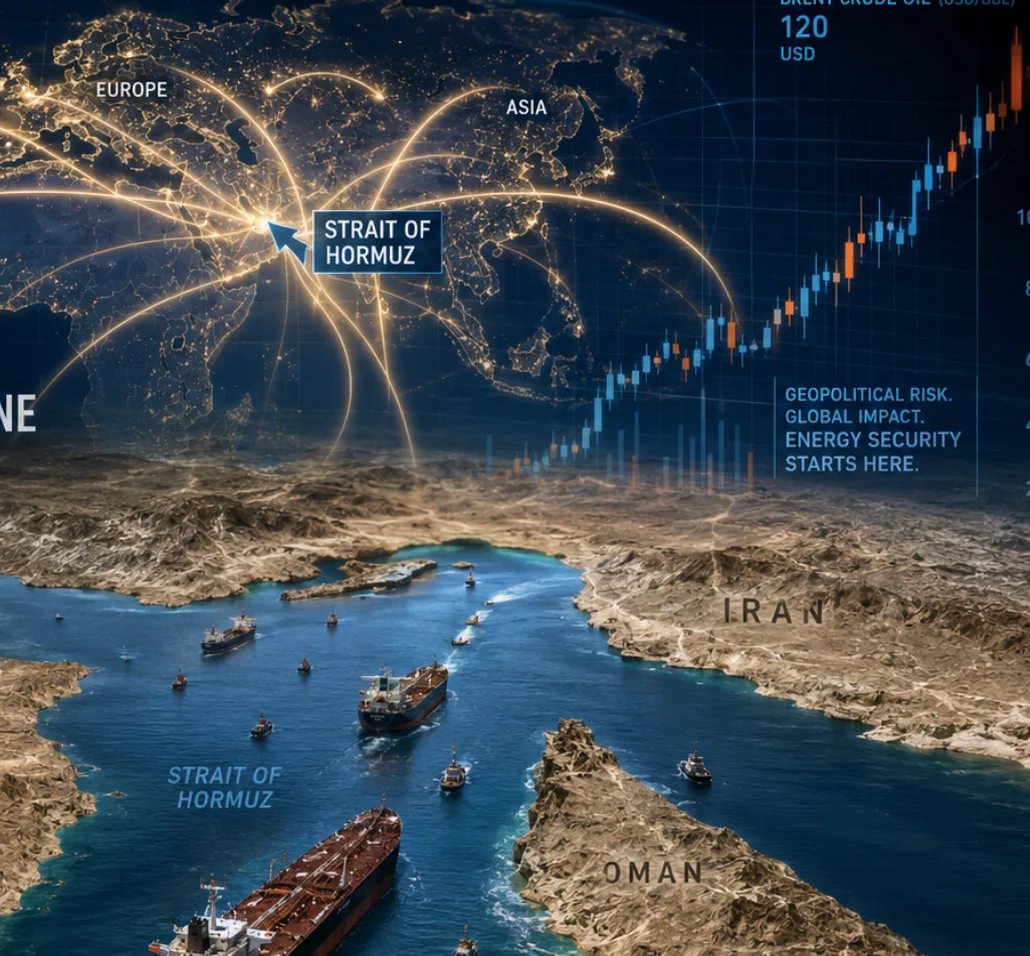
- Iran has floated conditions for reopening the Strait of Hormuz, according to the original report.
- President Trump said a deal could come after the midterm elections.
- Tehran’s proposal could restore traffic through the strait, reviving hopes for a diplomatic off-ramp.
- The strait is the world’s most important oil chokepoint, and any disruption feeds directly into crude prices and inflation.
The story, as reported, is narrow but consequential: Iran has floated conditions under which traffic through the Strait of Hormuz could be restored, and President Trump has said a deal could come after the midterm elections. That combination — a concrete proposal from Tehran and a political timeline from Washington — is what has revived what the original report calls fragile hopes for a diplomatic off-ramp. No text of the proposal has been made public, and no agreement has been announced, so the market is trading a possibility rather than a fact.
Why the Strait of Hormuz Matters to Markets
The Strait of Hormuz is the single most important oil transit chokepoint in the world. A substantial share of global seaborne crude and a large volume of liquefied natural gas move through it every day, which is why any credible threat to navigation there is priced into energy markets almost immediately. When traffic is disrupted or even perceived to be at risk, the effect shows up in three places at once: crude benchmarks, freight and insurance rates for tankers, and the broader inflation picture, since energy costs feed through to transport, manufacturing, and consumer prices.
That transmission channel is why a diplomatic headline about the strait can move more than oil. Higher crude prices act as a tax on importers, complicate the inflation outlook for central banks, and tend to pressure equity valuations while supporting energy sector earnings. Conversely, a credible path to reopening removes a risk premium from the market. The original report frames Tehran’s proposal as potentially paving the way for restoring traffic, which is precisely the kind of development that would compress that premium — if it holds.
The Political Timeline and the Uncertainty Premium
The second half of the story is the timing. Trump’s suggestion that a deal could come after the midterms introduces a gap between the diplomatic signal and any enforceable outcome. Markets generally discount announcements that are conditional and distant, which means the immediate reaction is likely to be measured rather than decisive. Traders will watch for details: what Iran is asking for, what the United States is prepared to offer, and whether any interim arrangement covers shipping specifically or is bundled into a broader negotiation.
What to Watch Next
Until the terms are public, the honest position is that this remains an unconfirmed diplomatic opening. Investors should treat it as a headline risk with two-sided implications. Progress would be bearish for crude’s geopolitical risk premium and supportive for risk assets broadly; collapse of the talks would restore that premium quickly. For now, the market has a reason to be less fearful and no reason to be certain.




Comments are closed.