
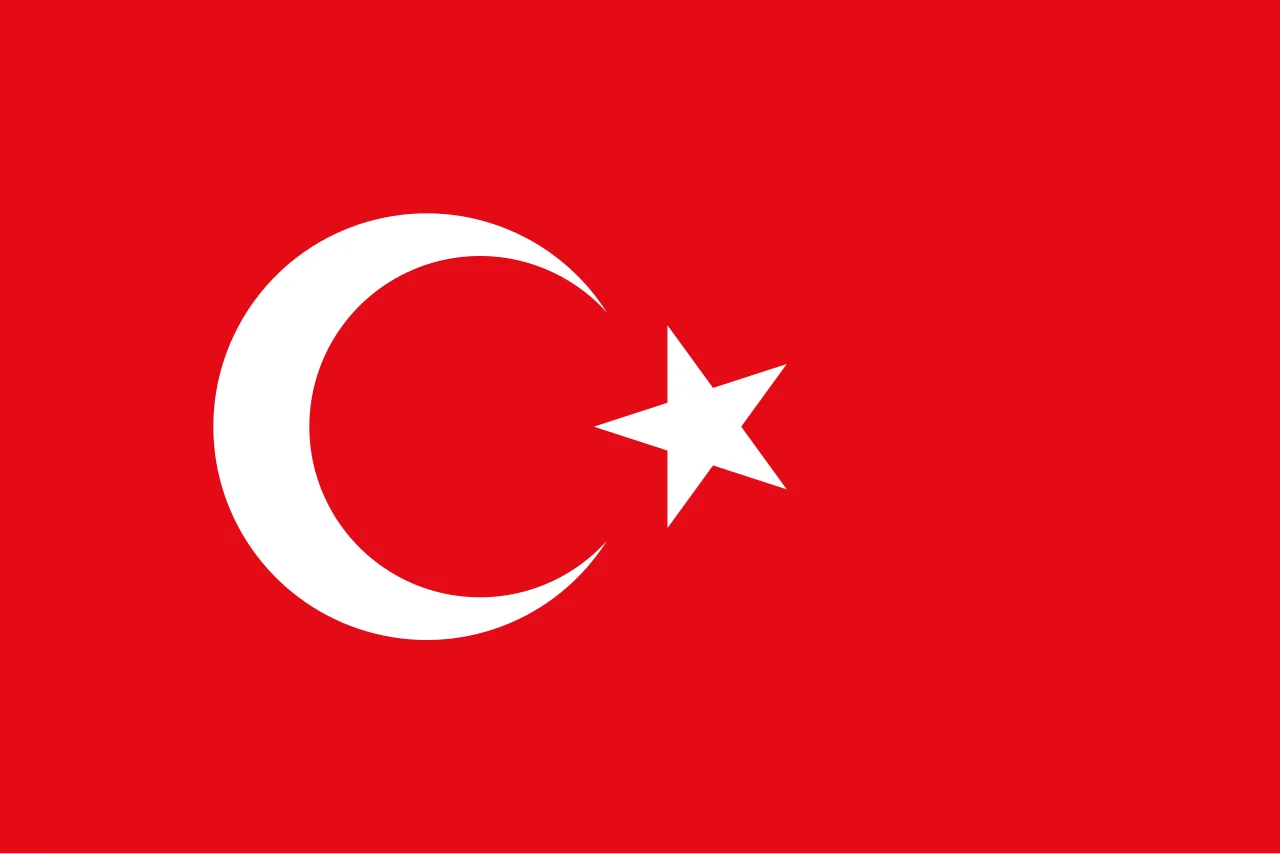
US Sanctions Turkish Bank Accused of Iran Evasion
On September 5, 2026, the U.S. Treasury imposed sanctions on Turkey’s Halkbank, accusing it of enabling Iranian oil transactions and bypassing U.S. sanctions. The action, announced by Treasury Secretary Scott Bessent, marks a rare move against a NATO ally’s financial institution.
Bessent, in a press briefing, stated he “hopes for” no further bank penalties, suggesting a more targeted approach. The sanctions freeze Halkbank’s U.S. assets and prohibit American entities from doing business with it, effective immediately.
Why Halkbank Became a Target Now
The sanctions follow years of investigations and a 2019 indictment charging Halkbank with fraud, money laundering, and sanctions evasion, related to a gold-for-oil scheme that allegedly moved billions for Iran. The bank has denied the charges, and the case has strained U.S.-Turkey relations.
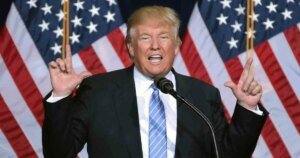
Observers note that the timing may be tied to renewed U.S. pressure on Iran, with President Trump having earlier hyped a plan as “economic D-Day” against Tehran. Yet, the U.S. has so far taken few public steps to implement that broader strategy, making this bank action a notable concrete measure.
Market Reaction and Investor Exposure
Following the announcement, Turkish banking stocks dipped, with Halkbank’s Istanbul-listed shares falling about 4% on the day. The sanctions also weighed on the Turkish lira, which weakened slightly against the dollar, though the impact was muted given Bessent’s signal of restraint.
International investors holding Turkish bank bonds may face renewed risk, but the U.S. move is unlikely to trigger systemic contagion, given Halkbank’s limited U.S. footprint. Still, the action underscores geopolitical risk for any entity linked to Iranian trade.
What Bessent’s “Hope” Means for Future Penalties
Bessent’s remark that he “hopes for” no further bank penalties suggests the Treasury may prioritize diplomatic channels over economic pressure. This is a shift from earlier rhetoric, possibly reflecting concerns about destabilizing a NATO partner or roiling energy markets.
However, the sanctions include a 30-day wind-down period, allowing U.S. firms to exit positions. Whether further penalties emerge will depend on Iran’s behavior and Turkey’s compliance, analysts say.
Broader Impact on Iran Sanctions Strategy
The Halkbank action is isolated but signals that Washington can still enforce sanctions on Iran’s financial lifelines. It also follows a pattern of U.S. actions against foreign banks, such as the 2018 fines on European banks for Iranian dealings.
Yet, without a broader crackdown, the “economic D-Day” remains more rhetorical than real, leaving Iran’s oil exports relatively unhindered. The market will watch for any additional designations, especially on Chinese or Russian banks that handle Iranian crude.
Key Metrics to Watch in the Coming Weeks
Investors should monitor the wind-down period, due to end by October 5, 2026, to see if any U.S. firms seek extensions. Also watch for Turkey’s response—Ankara may retaliate diplomatically or via trade measures, which could escalate tensions.
The critical number will be any change in Iran’s oil export volumes, which if they drop significantly, would signal that sanctions bite. Conversely, stable exports would suggest the Halkbank action is a one-off, not a harbinger of “D-Day.”






Comments are closed.