
Warsh’s Jackson Hole Speech Raises Rate Hike Risks
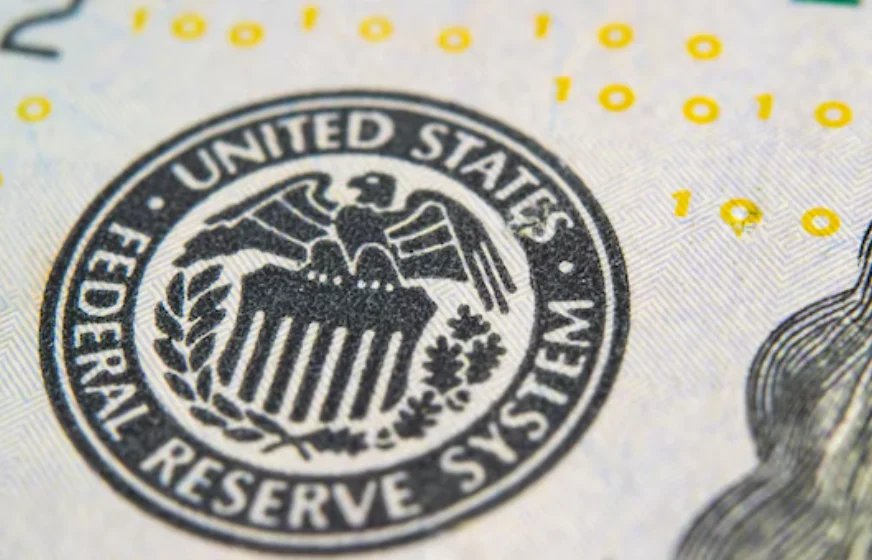
Indian equity markets face a tricky start on Monday after US Federal Reserve Chairman Kevin Warsh used his Jackson Hole address on Friday, August 28, 2026, to warn that inflation remains “stubbornly above target” and that the central bank may need to keep policy restrictive for longer. His hawkish tone surprised investors who had hoped for a dovish pivot, and it immediately reverberated through global rate-sensitive assets.
Warsh, who took office earlier this year, emphasized that the Fed’s 2% inflation goal is non-negotiable and that “premature easing” would be a policy error. Markets now price a higher probability of another 25 basis point hike by December, a sharp reversal from the rate-cut bets that dominated earlier in the summer.
Why Yields and Dollar Threaten Foreign Flows
The immediate fallout was a jump in US Treasury yields, with the 10-year note climbing to 4.78%—the highest since May—and the dollar index firming above 104.5. For India, this combination is toxic: higher US yields and a stronger dollar reduce the appeal of emerging market assets, prompting foreign institutional investors (FIIs) to pare risk.
In August, FIIs have already sold a net $2.3 billion in Indian equities, and Monday’s session could accelerate that trend. The rupee, which closed at 84.12 per dollar on Friday, faces renewed depreciation pressure, which would further dent foreign investor returns.
Crude Oil at $92 Adds to India’s Import Bill
Compounding the macro headwinds, crude oil prices have firmed to $92 per barrel, a level not seen since early March, driven by supply cuts and robust demand. India imports over 85% of its crude requirements, so every $10 rise in oil adds roughly $15 billion to the annual import bill and widens the current account deficit.
This twin shock—higher oil and a weaker rupee—raises imported inflation, limiting the Reserve Bank of India’s room to cut domestic interest rates. The RBI’s next policy meeting is scheduled for October 7, and bond markets are now pricing a 70% chance of a pause, down from 90% before the Jackson Hole speech.
Technical Resistance at 24,200: A Critical Test
On the charts, Nifty’s immediate hurdle is the 24,200 zone, which has capped upside attempts since mid-August. Analysts note that a decisive close above this level would signal strength, but the current macro backdrop makes that unlikely in the near term.
Support is placed at 23,800, and a break below that could trigger a slide toward 23,500. The options market shows heavy put writing at 23,800, suggesting traders expect that level to hold, but a hawkish Fed could shift the balance.
What to Watch: Fed Minutes and RBI Policy
This week, the release of the Fed’s July meeting minutes on Wednesday, September 2, will offer further clues on the internal debate over rate policy. If the minutes reflect a hawkish bias, expect pressure on Nifty to intensify.
The next major catalyst for Indian markets is the RBI’s October policy decision, where any commentary on oil-driven inflation will be crucial. A break below 23,800 on Nifty would confirm a corrective phase, while a close above 24,200 would negate the bearish setup.











Comments are closed.