
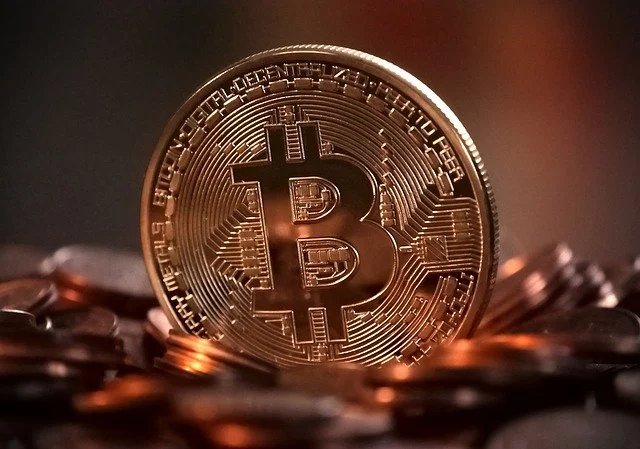
JPMorgan Accepts Bitcoin Collateral: Banking Meets Crypto
On Monday, 17 August 2026, JPMorgan Chase, the largest U.S. bank by assets, announced it will accept Bitcoin as collateral for loans, placing the cryptocurrency on the same footing as Treasury bonds and blue-chip equities. The decision, effective immediately, marks a watershed moment in the convergence of traditional finance and digital assets.
The move comes as Bitcoin trades near $67,000, having gained 12% over the past month amid growing institutional adoption. JPMorgan’s collateral policy will apply to prime brokerage clients, allowing them to pledge Bitcoin to secure margin loans, with a haircut of 30% to account for volatility.
Why JPMorgan’s Collateral Shift Matters For Bitcoin
By accepting Bitcoin as collateral, JPMorgan signals that it now views the asset as sufficiently liquid and stable to mitigate credit risk. This is a stark reversal from 2017, when CEO Jamie Dimon called Bitcoin a “fraud.” The bank’s risk committee has reportedly developed a pricing model that incorporates Bitcoin’s 24/7 trading and deep order books on major exchanges.
For institutional investors, this unlocks a new layer of capital efficiency. Previously, Bitcoin holders had to sell or use crypto-native lenders to access cash. Now, they can borrow against their holdings directly from the largest U.S. bank, potentially freeing up billions in liquidity without triggering a taxable event.
Comparing Bitcoin’s Collateral Role To Treasuries And Equities
The 30% haircut is conservative relative to the 2-5% applied to Treasuries, but it is comparable to haircuts on high-beta equities. This suggests JPMorgan’s risk model views Bitcoin as a volatile but fundamentally sound asset, capable of retaining value even in stressed markets.
Analysts note that the haircut could narrow over time if Bitcoin’s realized volatility continues to decline. Over the past year, Bitcoin’s 30-day annualized volatility has fallen to 45%, down from 80% in 2022, making it more palatable for collateral purposes.
Institutional Adoption Accelerates Amid Bitcoin Vibecamp
The announcement coincides with the Bitcoin Vibecamp, a developer conference running from 17 to 22 August 2026 in Próspera ZEDE, Honduras. The event brings together developers, founders, and hackers to build on Bitcoin, AI, and open-source technology. While not directly related, the timing underscores the growing mainstream acceptance of Bitcoin across both finance and tech communities.
JPMorgan’s move is likely to pressure other major banks to follow suit. Goldman Sachs and Morgan Stanley have already offered Bitcoin exposure to wealthy clients, but none have yet accepted it as collateral on a broad basis. A race to capture institutional Bitcoin lending could emerge, with JPMorgan holding a first-mover advantage.
What Could Change The Collateral Calculus
The key risk is Bitcoin’s price stability. If Bitcoin were to suffer a 50% drawdown, the 30% haircut would still leave JPMorgan exposed, potentially forcing margin calls and liquidations. The bank’s risk models likely incorporate stress tests that simulate such scenarios, but the true test will come in a real market crash.
Additionally, regulatory clarity remains uncertain. The SEC has not yet provided explicit guidance on bank-held crypto collateral, and a change in administration could alter the landscape. JPMorgan’s move may be as much a bet on future regulation as it is on Bitcoin itself.
The next number to watch is Bitcoin’s volatility index. If the 30-day annualized volatility drops below 35%, haircuts could tighten, making Bitcoin even more competitive with equities. Conversely, a spike above 60% would signal renewed risk and could lead JPMorgan to raise its haircut, dampening the enthusiasm.
For now, the line between banking and crypto has not just blurred—it has disappeared. As the Bitcoin Vibecamp unfolds in Honduras, the financial world will be watching to see if JPMorgan’s bet pays off, and whether its rivals will follow suit in the coming weeks.


Comments are closed.