
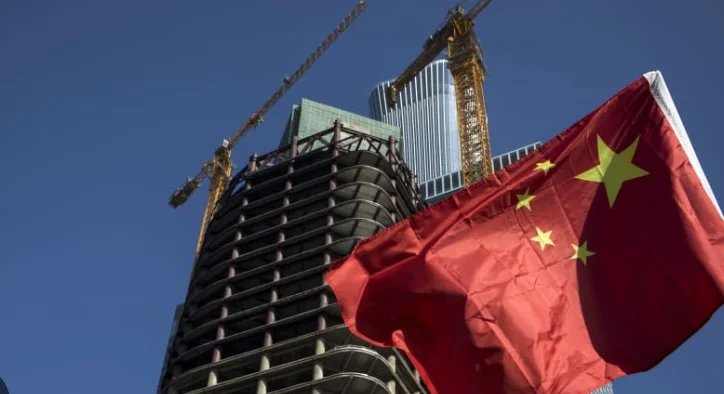
China’s Military Readiness in Disputed Waters
In a recent escalation of tensions in the South China Sea, China’s military has signaled its readiness to respond decisively to what it perceives as provocations from the Philippines. The People’s Liberation Army (PLA) Daily issued a statement emphasizing that Beijing possesses a ‘rich and powerful’ toolkit to counteract nations that ‘make waves’ in these contested waters. This warning comes on the heels of the Philippines’ efforts to solidify its territorial claims, particularly around Scarborough Shoal, an area Beijing refers to as Huangyan Island.
The timing of this statement, following joint naval and air drills by the Chinese military near Scarborough Shoal, highlights the increasingly aggressive posture of China in the region. The drills, which took place just a day before the PLA Daily’s warning, demonstrate China’s commitment to maintaining its influence in these strategically vital waters. The Chinese military’s readiness to engage in ‘head-on’ confrontations raises significant concerns for Manila and regional stability.
Philippines’ Strategy Amid Rising Tensions
As tensions escalate, the Philippines has intensified its diplomatic and military efforts to assert its claims in the South China Sea. The government under President Ferdinand Marcos Jr. is keen on establishing a clear maritime presence to fend off Chinese encroachments. This includes mapping out its claims to contested areas like Scarborough Shoal and increasing joint exercises with the United States and other allies.
In August, the Philippines and the U.S. conducted extensive military exercises that involve navigating contested maritime areas, signaling their strategic partnership. The Philippine Coast Guard has also ramped up patrols in the region, aiming to deter Chinese vessels from encroaching on its claimed territories. However, these actions may provoke further military responses from China, as evidenced by its recent drills near the shoal.
Economic Implications of Maritime Conflict
The escalating tensions in the South China Sea are not just military concerns; they also carry significant economic implications. The region is a critical trade artery, with $5.3 trillion in global trade passing through its waters annually. Disruptions caused by military confrontations could have severe repercussions for global shipping and regional economies, particularly for those reliant on maritime trade.
The Philippines, while seeking to assert its claims, must also consider the potential economic fallout from a confrontational approach. A prolonged military standoff could deter foreign investment and impact sectors such as tourism and fisheries, which are vital to the Philippine economy. Moreover, any sustained conflict could result in increased oil prices, affecting not just the Philippines but economies worldwide.
Geopolitical Dynamics and Future Reactions
The geopolitical dynamics at play in the South China Sea involve not just China and the Philippines but also the United States, which has expressed support for its Southeast Asian allies. The U.S. has reiterated its commitments to uphold freedom of navigation in international waters, which can lead to heightened tensions if U.S. naval forces are perceived as backing Philippine interests against China.
As China continues to assert its maritime claims, the Philippines may find itself at a crossroads, balancing the need for national sovereignty against the realities of economic dependence and the potential for military confrontation. Observers are closely watching upcoming meetings and diplomatic engagements between these nations, which could either ease tensions or escalate them further.
In the coming weeks, key indicators to watch include the outcomes of ongoing naval drills in the region and any public statements from both Beijing and Manila regarding their respective strategies. The actions taken by both sides could define the future of the South China Sea dispute.










Comments are closed.