
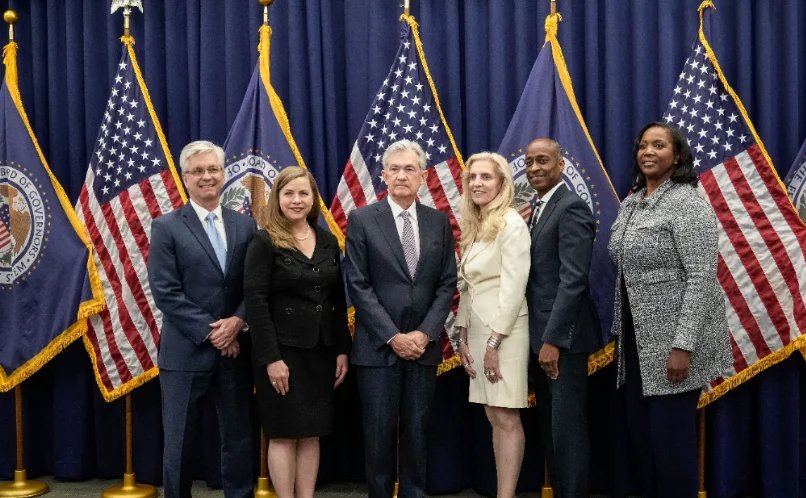
Fed’s Dilemma: Rate Hikes vs. Economic Stability
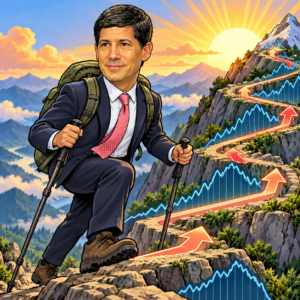
The U.S. Federal Reserve is at a critical juncture as it grapples with the pressing issue of inflation. Chair Kevin Warsh is faced with the challenge of potentially increasing interest rates to reinforce the Fed’s battle against rising prices. Recent data indicates that inflation remains stubbornly above the Fed’s 2% target, necessitating a robust response. However, the broader economic landscape is fraught with uncertainty, which complicates the decision-making process.
On one hand, raising rates could help curb inflation, which has been exacerbated by ongoing supply chain disruptions and heightened consumer demand. On the other hand, the Fed must consider mixed signals from the labor market, where job growth has shown signs of slowing down and wage increases have not been uniform across sectors. These conflicting indicators place pressure on the Fed to adopt a cautious approach.
Labor Market Signals and Their Impact on Fed Policy
Recent labor market reports have painted a complex picture. While overall unemployment remains low, certain sectors are experiencing layoffs and hiring freezes. The mixed signals from the labor market raise questions about the sustainability of economic recovery. The Fed typically relies on employment data to guide its monetary policy, and the current volatility may hinder its ability to act decisively.
Furthermore, the geopolitical landscape adds another layer of complexity. The recent tensions in the Middle East, particularly between the U.S. and Iran, have the potential to disrupt energy prices. Fluctuations in oil prices could feed into broader inflationary pressures, forcing the Fed to recalibrate its strategy. If energy costs continue to rise, it could necessitate a more aggressive rate hike to temper inflation.
Warsh’s credibility as Fed Chair is now on the line. Stakeholders are keenly observing how he balances the dual mandate of controlling inflation while nurturing a fragile economy. Historically, the Fed has faced scrutiny for its policy decisions, and any misstep in this delicate balancing act could have far-reaching implications for markets.
Market Reactions and Future Projections
Market participants are already reacting to the speculation surrounding potential rate hikes. Bond yields have seen some fluctuations, with the yield on the 10-year Treasury note recently hovering around 3.5%. Equity markets have also shown volatility as investors weigh the likelihood of tighter monetary policy. The S&P 500 and Dow Jones Industrial Average have experienced swings as traders digest economic data and Fed communications.
Looking ahead, the key focus will be on the upcoming Federal Open Market Committee (FOMC) meetings. Analysts expect that the Fed will closely monitor inflation trends and labor market conditions before making any definitive moves. The next set of economic data, particularly regarding consumer prices and employment figures, will be crucial in determining the Fed’s July strategy.
As the situation evolves, market watchers will be paying close attention to the Fed’s messaging on interest rates. Any hints at potential rate hikes or shifts in policy stance will likely influence market sentiment and investment strategies in the coming months.





Comments are closed.