
Signal President Warns AI Hype Undermines Private Communication
Meredith Whittaker, President of the Signal Foundation, cautioned on Bloomberg’s “The Pulse with Francine Lacqua” that the current excitement surrounding artificial intelligence, combined with new tech legislation, poses a serious risk to the principles of private communication. Whittaker argued that as AI models increasingly ingest user data, and as governments push for encrypted backdoors, the fundamental right to secure messaging is being eroded.
“The hype around AI is creating a regulatory blind spot, where privacy is traded for convenience,” Whittaker said. Her comments come as Signal, the encrypted messaging app, continues to advocate for strong encryption standards globally, even as other platforms experiment with AI-driven features that require access to message content.
Magnificent Seven Sheds $800 Billion in Single Session on AI Rally Fears
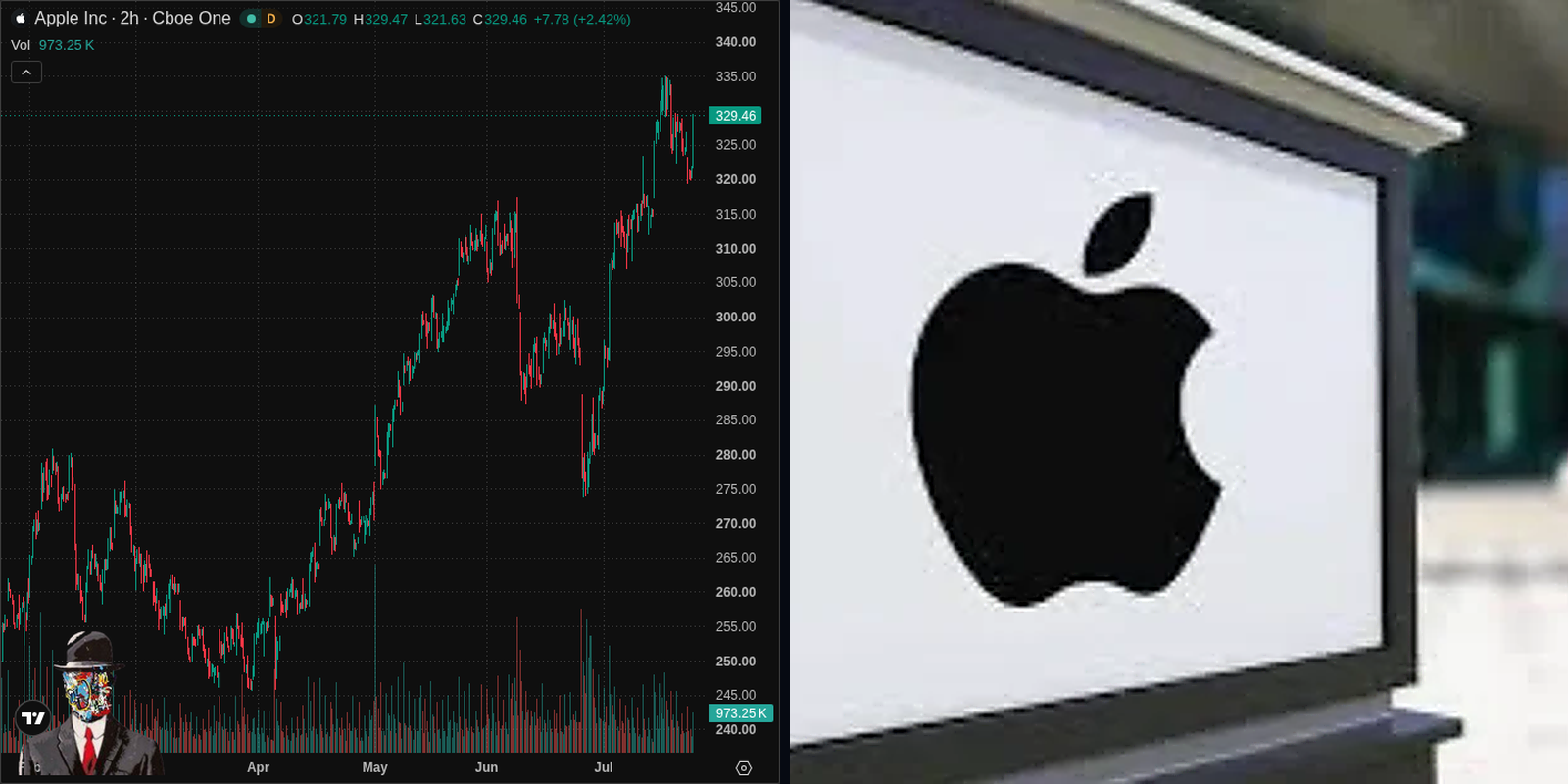
The broader market mood was somber, with traders fearing that the AI rally may have peaked. The Magnificent Seven group of tech giants—Apple, Microsoft, Alphabet, Amazon, Nvidia, Meta, and Tesla—lost nearly $800 billion in market value in a single trading session. The selloff was driven by profit-taking and growing skepticism about whether AI monetization can justify current valuations.
Apple and Microsoft, two of the largest components, saw their shares drop over 4% each. The losses echoed across the tech sector, with the Nasdaq Composite falling more than 3%. Analysts pointed to disappointing earnings guidance from several AI-related firms as the catalyst for the sudden shift in sentiment.
Geopolitical Tensions Push Brent Oil to $100 a Barrel
Adding to the market turmoil, Brent crude oil touched $100 a barrel for the first time in months, as escalating conflict in the Middle East threatened supply routes. The price surge came after renewed attacks on Iranian oil infrastructure, raising fears of a broader regional war that could disrupt global energy supplies.
Goldman Sachs strategist Kamakshya Trivedi, also a guest on The Pulse, noted that the oil move could further complicate central bank efforts to tame inflation. “A sustained $100 oil price would force the Fed and other central banks to reconsider their rate-cutting timelines,” Trivedi said. The combination of tech stock losses and rising energy costs created a risk-off environment across global markets.
Trump Rebuilds Tariff Wall With New Levies on 60 Economies
President Donald Trump announced a new round of tariffs on 60 economies, including major trading partners like the European Union, China, and Japan. The move comes after the U.S. Supreme Court struck down an earlier tariff policy, forcing the administration to redesign its protectionist strategy. The new levies target a broad range of goods, from steel to consumer electronics, and are expected to reignite trade tensions.
Rebecca Harding, CEO of the Centre for Economic Security, warned on the program that the tariffs could backfire. “This isn’t just about trade deficits; it’s about supply chain resilience. Higher tariffs will raise costs for American businesses and consumers, potentially stalling economic growth,” Harding said. The announcement sent the U.S. dollar higher against a basket of currencies, while emerging market currencies came under pressure.
For investors, the key question is whether these tariffs will be a negotiating tactic or a permanent fixture. The administration has signaled willingness to escalate further if trade partners retaliate, making this a major risk factor for global equity markets in the coming quarters.
Watch for the next CPI report on August 12, 2026, and any Fed commentary on the combined impact of tariffs and oil prices. If core inflation prints above 3.5%, the case for rate cuts will weaken further, compounding the pressure on growth stocks like those in the Magnificent Seven.







Comments are closed.