
Ceasefire Extension Amidst Internal Iranian Turmoil
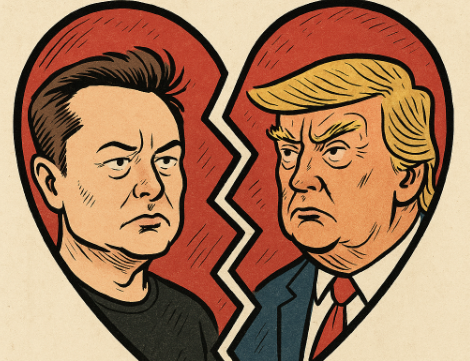
Former President Donald Trump has announced an extension of a ceasefire with Iran, citing a “seriously fractured” Iranian government as a key factor. This development, while not an official U.S. policy shift under the current administration, represents a significant geopolitical signal from a leading presidential candidate. The move underscores the ongoing volatility in U.S.-Iran relations and its direct impact on global energy markets.
The announcement, made via a social media post, did not specify the duration of the extended ceasefire. Analysts suggest it refers to a de-escalation of rhetoric and a pause in aggressive posturing, rather than a formal, negotiated agreement. The reference to internal divisions within Iran’s leadership points to perceived weaknesses that could influence future diplomatic or strategic calculations.
Market Impact and Oil Price Sensitivity
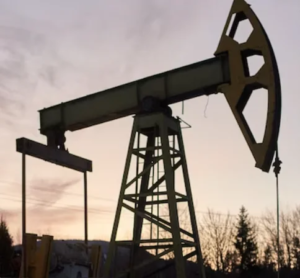
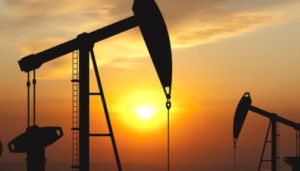
Geopolitical risk in the Middle East is a primary driver for crude oil prices. Any indication of reduced tension between the U.S. and Iran typically exerts downward pressure on prices, as it lessens the perceived threat to oil transportation through the Strait of Hormuz and regional production. Following the announcement, West Texas Intermediate (WTI) crude futures showed muted reaction, trading near $78 per barrel.
The broader energy sector, tracked by ETFs like the Energy Select Sector SPDR Fund ($XLE), remains highly sensitive to such news. The United States Oil Fund ($USO), which tracks near-term WTI futures, is a direct conduit for traders betting on oil price movements driven by geopolitical events. Historical data shows that escalations with Iran have added a “risk premium” of $5-$10 per barrel to oil prices at times.
Context of a Fractured Iranian State
Trump’s characterization of a “seriously fractured” government aligns with external analyses of Iran’s internal dynamics. The country faces profound economic challenges, including inflation reportedly exceeding 40%, exacerbated by long-standing sanctions. Social unrest and succession concerns surrounding the aging Supreme Leader Ali Khamenei contribute to perceptions of instability.
These internal pressures may limit Iran’s ability to engage in external conflicts, making de-escalation a pragmatic choice for all parties. However, the region remains a tinderbox, with proxy conflicts involving Iranian-backed groups continuing in other areas, meaning the risk of a broader conflict is diminished but not eliminated.
Broader Economic and Investment Implications
For investors, sustained de-escalation supports a “risk-on” environment by reducing one major global uncertainty. Lower and more stable oil prices can help ease inflationary pressures, a key concern for central banks worldwide. This environment generally benefits transportation stocks, consumer discretionary sectors, and emerging markets, while posing a headwind for pure-play oil exploration and production companies.
Conversely, defense and aerospace sectors, which often see increased interest during periods of heightened geopolitical risk, may see moderated investor enthusiasm if tensions continue to cool. The ultimate market impact will depend on whether this pause evolves into a more durable diplomatic track or proves temporary.
Forward Outlook and Key Risks
The extension of this ceasefire, while not a formal policy, highlights how U.S. political rhetoric alone can move markets. The situation remains fluid, heavily dependent on the outcome of the upcoming U.S. election and the internal cohesion of the Iranian regime. A key risk is that any perceived weakness could embolden other regional actors, potentially leading to unpredictable flare-ups.
For traders, monitoring the term structure of oil futures and the volatility index for the energy sector will be crucial. A sustained contango (future prices higher than spot) might indicate the market is pricing in longer-term stability, while backwardation could signal lingering fears of supply disruption.
Summary and Takeaway
The reported ceasefire extension points to a temporary reduction in a major geopolitical risk premium for oil. Markets are reacting cautiously, aware that the underlying tensions are unresolved. The primary investment implication is a potential for lower volatility in energy prices, benefiting broad equity indices but capping upside for energy equities in the near term. Investors should watch for concrete diplomatic follow-through to assess if this is a lasting shift or merely a tactical pause.




Comments are closed.