
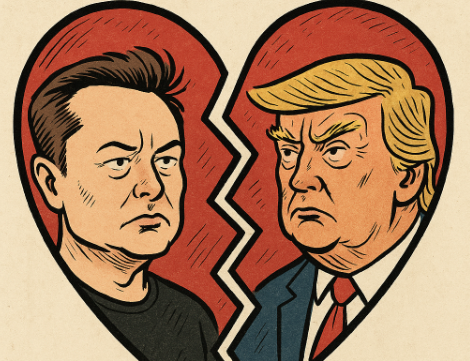
Trump’s Iran Comments Disrupt Diplomatic Plans
Former President Donald Trump stated in a CNBC “Squawk Box” interview on Tuesday that he believes the United States is “going to end up with a great deal” with Iran to end regional conflict. This public declaration of optimism regarding potential negotiations appears to have directly impacted planned diplomatic movements.
According to a New York Times report, a scheduled trip by Ohio Senator J.D. Vance to Pakistan for discussions concerning Iran has been put on hold. While the exact causal link is not explicitly detailed in public reports, the timing suggests Trump’s comments may have shifted the immediate diplomatic calculus, leading to a pause in the senator’s travel plans.
Market Context and Energy Sector Implications
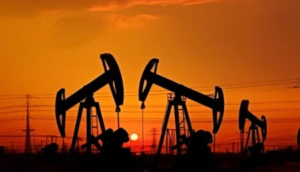
Geopolitical tensions involving Iran have long been a critical driver for global energy markets. Iran is a major oil producer within OPEC, and any escalation or de-escalation in the region typically causes immediate volatility in crude oil prices. The Strait of Hormuz, a vital chokepoint for global oil shipments, remains a persistent flashpoint.
Trump’s suggestion of a potential “great deal” introduces a narrative of possible de-escalation. Historically, rumors or progress toward diplomatic resolutions with Iran have led to downward pressure on oil prices due to the potential for more Iranian crude to enter the global market or for the perceived risk premium to diminish.
Immediate Price Action and Analyst Views
Following the interview, West Texas Intermediate (WTI) crude futures showed muted reaction, trading near $78 per barrel. The United States Oil Fund ($USO) and the Energy Select Sector SPDR Fund ($XLE) also saw relatively flat trading in the session. This lack of dramatic movement indicates the market may be treating Trump’s comments as preliminary political rhetoric rather than a concrete policy shift, at least for now.
Analysts note that the current administration’s stance remains the primary price driver. The Biden administration has continued to enforce sanctions while engaging in indirect talks. The market is likely awaiting more substantive developments or official policy announcements from either campaign before pricing in a significant change.
The Stakes for Global Oil Supply
The global oil market remains finely balanced. OPEC+ production cuts have provided a floor under prices, but demand concerns persist. A genuine diplomatic breakthrough with Iran could potentially add over 1 million barrels per day to global supply if sanctions were substantially lifted, a figure often cited by energy analysts.
However, the path to any deal is fraught with complexity, centering on Iran’s nuclear program and its regional activities. Previous agreements, like the JCPOA negotiated in 2015, have unraveled, leading markets to price in a persistent geopolitical risk premium for crude. This premium is estimated by some analysts to be between $5 and $10 per barrel under current conditions.
Broader Economic and Currency Impacts
Beyond direct energy markets, stability in the Middle East affects broader economic sentiment and currency markets. Heightened tensions often boost demand for the U.S. dollar and safe-haven assets while weighing on risk-sensitive equities. Conversely, peace overtures can have the opposite effect, encouraging capital flow into emerging markets and growth assets.
The postponement of Senator Vance’s trip underscores how election-year politics are intertwining with foreign policy. Candidates’ statements are being scrutinized for their potential to alter the geopolitical landscape and, by extension, market fundamentals for key commodities like oil.
Summary and Forward Look
Donald Trump’s comments on a potential “great deal” with Iran have introduced a new variable into the energy market narrative, coinciding with the reported halt of a key diplomatic mission. For now, traders are reacting cautiously, with oil prices showing limited movement. The situation highlights the market’s sensitivity to U.S. political discourse on Iran.
Looking ahead, the energy sector will closely monitor the evolution of both candidates’ Iran policies as the election approaches. Any tangible steps toward diplomacy could pressure oil prices lower, while a return to bellicose rhetoric would likely reinforce the current risk premium. The delayed Pakistan trip signals that behind-the-scenes maneuvering is active, making Iran policy a critical watchpoint for investors in the coming months.


Comments are closed.