
Trump’s Provocative Statement on Iran
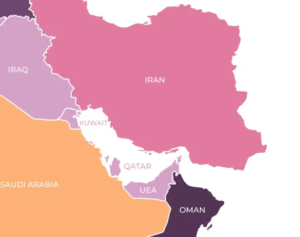
In a dramatic escalation of tensions, President Trump announced on Truth Social that Iran would face severe military action from the United States. His statement, “Today Iran will be hit very hard!” has sent shockwaves through global markets and political circles. The declaration comes on the heels of Iran’s recent apology for attacks on neighboring states. Trump’s rhetoric suggests a potential shift in U.S. military strategy, indicating that targets previously off-limits might now be considered. This development has heightened geopolitical risks and raised concerns about further instability in the Middle East.
Impact on Global Energy Markets
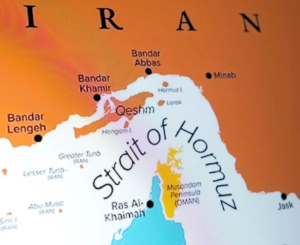
The geopolitical turmoil has had an immediate impact on global energy markets. U.S. gasoline prices surged by 14% over the past week, with the national average reaching $3.41 per gallon. Crude oil prices have also skyrocketed, with WTI crude trading at approximately $90.90 per barrel and Brent crude hitting $92.69 per barrel, marking increases of 36% and 27% respectively from the prior week. The conflict has disrupted around 9 million barrels per day of oil production, primarily due to damage to refineries and halted operations. The Strait of Hormuz, a critical chokepoint for global oil flow, is nearly blocked, exacerbating supply concerns.
Military Escalation and Strategic Implications
The U.S. military has reported significant strikes against Iranian targets, claiming to have hit over 3,000 sites and damaged 43 Iranian naval vessels. President Trump has reiterated that the conflict will continue until Iran is unable to sustain its military efforts, rejecting any negotiated settlement. Iran, on the other hand, remains defiant, refusing to negotiate or accept surrender. This standoff has led to increased military activity in the region, with both sides preparing for potential ground invasions.
Market Reactions and Economic Consequences
Financial markets have reacted sharply to the escalating conflict. The Dow Jones Industrial Average plunged over 1,100 points before closing down approximately 784 points, a 1.6% decline. The S&P 500 and Nasdaq also saw declines of 0.6% and 0.3%, respectively. Energy stocks such as Chevron have risen as investors anticipate higher oil prices, while sectors like travel and leisure have suffered due to increased fuel costs and geopolitical uncertainty. OPEC+ has announced a modest increase in oil production, but analysts warn this may be insufficient to counteract the supply disruptions caused by the conflict.
Expert Analysis and Future Outlook
Experts caution that the U.S.-Israel goal of regime change in Iran may be overly ambitious and difficult to achieve. Diplomatic efforts are underway to refocus the narrative on Iran’s missile programs amid internal political criticism. Analysts predict that if the Strait of Hormuz remains closed, oil prices could exceed $100 per barrel, adding to global inflationary pressures. Ben Cahill from UT-Austin highlights the Iran tensions as a key bullish factor driving oil markets, while Goldman Sachs estimates a $13 per barrel “war risk premium.”
Conclusion
The ongoing conflict between the U.S. and Iran has introduced significant volatility into global markets, with energy prices soaring and financial indices reacting to the heightened geopolitical risks. As the situation unfolds, market participants will closely monitor developments, particularly concerning energy supply disruptions and potential military escalations. The coming weeks will be critical in determining the trajectory of both the conflict and its broader economic implications.








Comments are closed.