
$TSLA $AAPL #USChinaRelations #TradeWar #TikTok #GlobalTrade #Semiconductors #Fentanyl #Tariffs #Economics #Geopolitics #TechPolicy #BilateralRelations
How Does TikTok Dominate Global Trade Discussions? Uncover the Secrets!
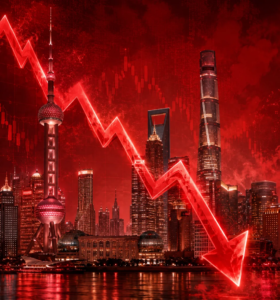
In the realm of international relations, particularly in cnbc’s news coverage, the friction between the U.S. and China remains a pressing concern. Key issues such as tariffs, fentanyl, and semiconductor production have emerged as significant sticking points. Despite ongoing discussions, tangible progress in resolving these disputes appears limited.
The ongoing U.S.-China trade tensions are not solely economic; they are deeply intertwined with geopolitical dynamics. As countries navigate these complexities, platforms like TikTok have taken center stage, influencing global trade conversations. This digital platform is more than just a social media app; it has become a focal point for discussions on technology, national security, and economic policy.
The Role of TikTok in Trade Negotiations
TikTok’s rise has prompted scrutiny from U.S. lawmakers, who express concerns over data privacy and national security. This scrutiny is part of a broader narrative that includes the Chinese government’s influence over tech companies. As a result, TikTok has emerged as a bargaining chip in the larger U.S.-China trade negotiations, affecting the relationship between the two economic powerhouses.
Additionally, the semiconductor industry plays a crucial role in this discussion. The U.S. relies heavily on advanced chips for technology and defense systems. Thus, any disruption in this supply chain can have profound implications not only for the tech sector but also for national security. For instance, China’s growing technological capabilities have raised alarms in Washington, leading to a more aggressive stance on tariffs and export controls.
Fentanyl and Its Economic Implications
Another significant issue is the fentanyl crisis, which has claimed countless lives in the U.S. The Chinese government has been criticized for not doing enough to curb the production and export of this synthetic opioid. This issue complicates trade negotiations further, as the U.S. demands stricter controls on the production and distribution of such substances. The intertwining of public health and trade policy creates a complex landscape that negotiators must navigate carefully.
Recent tariffs imposed on various Chinese goods have also escalated tensions. While the U.S. aims to protect its domestic industries, the tariffs have led to retaliatory measures from China. This tit-for-tat approach not only jeopardizes trade but also impacts global supply chains, affecting businesses and consumers alike.
Future Prospects for U.S.-China Relations
As both nations grapple with these multifaceted challenges, the prospect of a resolution appears distant. The U.S. and China are at a crossroads, where economic policies and geopolitical strategies converge. Moving forward, the importance of dialogue cannot be overstated. Both countries must identify common ground to mitigate tensions and foster a more stable economic environment.
Investors and policymakers alike should pay close attention to these developments. The outcomes of trade negotiations and the evolving relationship between the U.S. and China will undoubtedly influence global markets. For those interested in further exploring stock market trends, you can check out our stock insights.
In conclusion, while TikTok may seem like an unlikely player in U.S.-China trade talks, its role is emblematic of a larger narrative. The intersection of technology, trade, and politics underscores the complexity of modern diplomacy. As these issues unfold, the world watches closely, assessing the implications for the global economy.
For those looking to stay informed on cryptocurrency developments, visit our crypto section. The interplay between these sectors reflects broader trends that will shape the future of economic relations worldwide.









Comments are closed.