
$TTE $LNG $ENGI
#Europe #LNG #NaturalGas #EnergyCrisis #Russia #France #Germany #TotalEnergies #GasPrices #FossilFuels #EnergyMarkets #FloatingTerminals
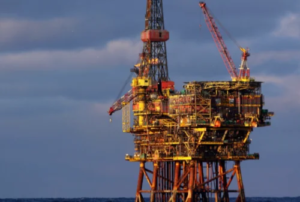
Despite high natural gas prices and a strong demand for liquefied natural gas (LNG) in Europe, floating LNG import terminals in France and Germany have remained largely idle for months. The main factor behind their lack of usage is the high operating costs, which make them less competitive compared to traditional onshore regasification facilities. The shutdown of Russian pipeline gas supplies following the invasion of Ukraine in 2022 led European governments and energy firms to invest heavily in alternative import solutions, including floating storage and regasification units (FSRUs). However, the cost of running these floating terminals, combined with the stabilization of gas prices from their 2022 highs, has rendered them economically less viable.
One clear example is the Le Havre floating terminal, commissioned by TotalEnergies ($TTE) in 2023 as part of France’s emergency response to the energy crisis. The terminal, operated by the Cape Ann floating storage and regasification unit, was meant to bolster France’s energy security in the face of supply disruptions. However, reports indicate that it has barely processed any LNG cargoes since entering service. Similarly, floating import terminals in Germany, set up to counteract the loss of Russian gas, have also seen limited utilization. The discrepancy in cost efficiency between floating and onshore LNG terminals is primarily due to higher lease rates, additional fuel consumption, and maintenance expenses associated with the FSRUs, making their operational costs significantly higher than permanent infrastructure.
LNG prices in Europe have also fallen from their record levels seen in 2022, further discouraging the use of floating terminals. With a gradual recovery in pipeline supplies from Norway and North Africa, as well as reduced energy demand due to improved efficiency measures and milder winters, the urgency to utilize expensive floating terminals has diminished. European gas futures currently trade significantly lower than their peak, reducing the financial incentive for energy firms to incur the high costs of floating infrastructure. Moreover, long-term LNG contracts now favor onshore terminals, as they offer lower processing costs and greater reliability. As a result, energy companies such as TotalEnergies ($TTE) and Engie ($ENGI), which are involved in European LNG operations, must reassess their strategies in keeping floating terminals operational without significant financial losses.
The broader implications of idle floating LNG terminals extend to global energy markets. If European floating terminals continue to remain underutilized, excess LNG supply could lead to a downward pressure on global LNG prices, benefiting major importing nations such as China, Japan, and South Korea. Conversely, if geopolitical risks or another supply disruption were to occur, European governments may once again find floating terminals necessary despite their high costs. Investors in LNG-related stocks, including producers and infrastructure firms, will need to consider shifting demand dynamics and the cost-effectiveness of different import solutions. This situation also raises questions about the long-term role of floating energy infrastructure and whether such emergency investments remain viable beyond immediate crises.






Comments are closed.