
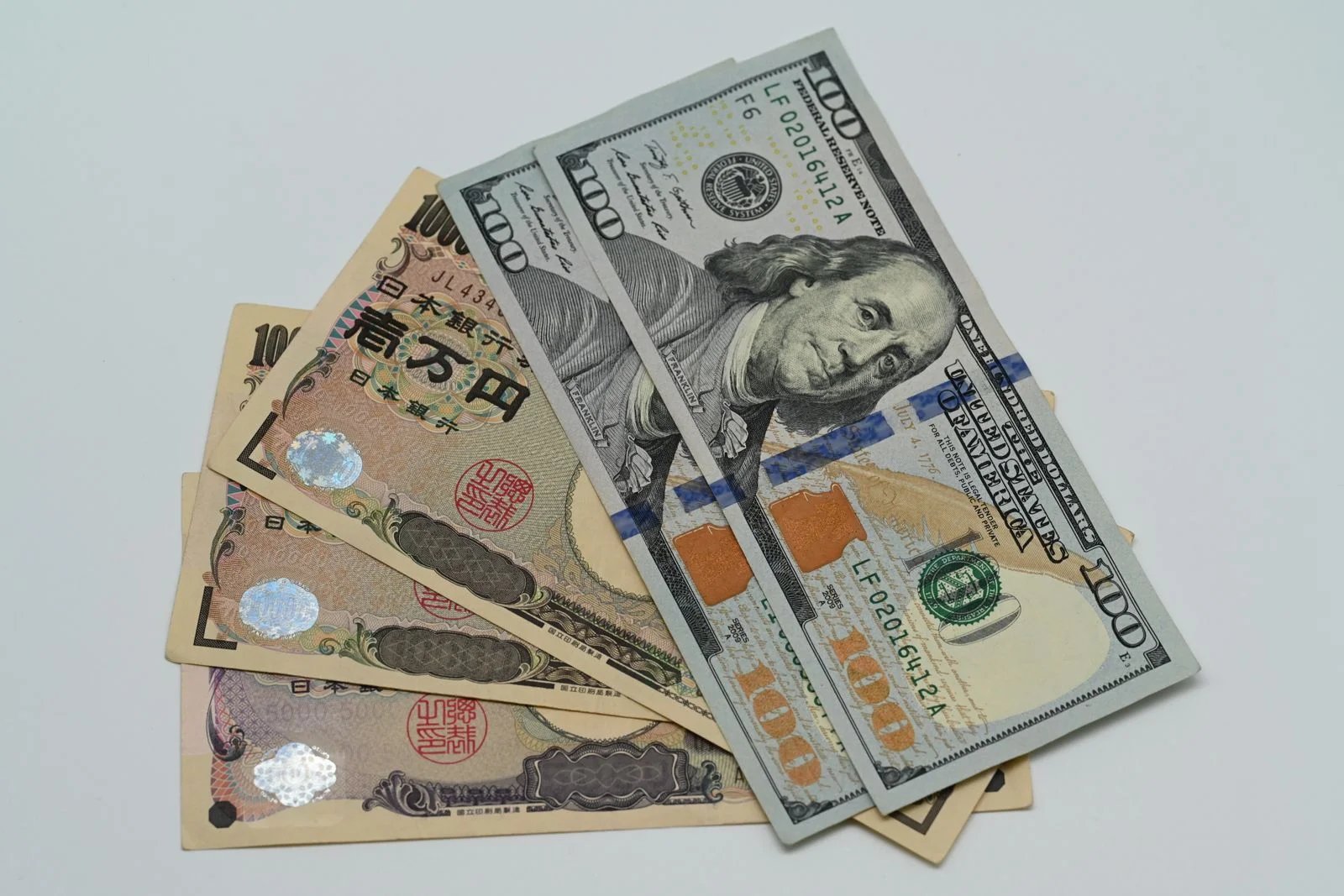
Japan’s 10-Year JGB Yield Hits 2.945%, Highest Since 1996
On Tuesday, August 18, the benchmark 10-year Japanese government bond (JGB) yield touched 2.945%, its highest level since September 1996. Today, August 19, it has eased to roughly 2.90%, just shy of the psychologically critical 3% threshold. The move marks a dramatic departure from Japan’s decades-long regime of ultra-low interest rates.
Why JGB Yields Are Rising: Inflation, BOJ, and Fiscal Worries
The climb is driven by a confluence of forces. Rising oil prices and a weak yen are stoking import costs, keeping inflation concerns alive. The Bank of Japan (BOJ) has already raised its policy rate to 1%, and Reuters reported on August 14 that the central bank is considering another hike at its September 17–18 meeting, potentially accelerating the pace of tightening. Additionally, investors are demanding higher compensation for holding Japanese government debt as concerns mount over the country’s enormous fiscal burden and future borrowing needs.
Mizuho’s Markets Chief Sees BOJ Hike as Soon as Next Month
Mizuho’s markets chief reinforced this outlook, telling the Japan Times on August 19 that the BOJ could raise rates as soon as next month and ultimately hike more frequently than markets had become accustomed to. This hawkish shift is a key driver behind the yield surge.
Global Bond Selloff Adds Fuel: US, UK, German, French Yields Jump
Japan’s move is not isolated. A global bond selloff has pushed yields higher across the U.S., UK, Germany, France, and Japan, as investors worry about inflation, deficits, and heavy government and corporate bond issuance. Reuters reported on August 18 that this coordinated rise is putting governments on notice over fiscal discipline.
Why 3% on JGBs Could Reshape Global Capital Flows
The bigger market implication is potentially profound. Japanese institutions are among the largest holders of foreign bonds. If they can earn roughly 3% on a 10-year JGB at home—and about 4% on 30-year bonds—the incentive to take currency risk in U.S. or European debt diminishes. Reuters reported on August 18 that higher Japanese yields are already attracting Japanese investors back toward domestic bonds.
This creates a potential chain reaction: JGB yields rise → Japanese money comes home → foreign bond demand falls → U.S. and European yields rise → discount rates climb → expensive equities, especially AI and tech stocks, come under pressure. On August 19, the Nikkei fell sharply, with rising bond yields cited as pressure on technology and semiconductor shares globally, according to AP News.
Watch 3.00%: The Line in the Sand for Japan’s Rate Regime
The level to watch is 3.00% on the 10-year JGB. It is partly psychological, but a sustained break above it would signal that Japan’s multi-decade ultra-low-rate era is truly over. With the BOJ meeting scheduled for September 17–18, any hawkish surprise could push yields through that threshold, with ripple effects for global markets.










Comments are closed.