
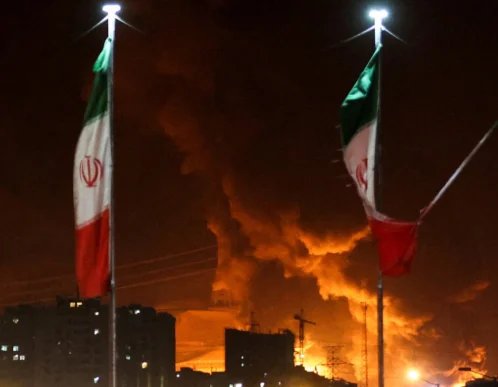
Iran Keeps Hormuz Shut, Oil and Tanker Rates at Risk
Iran warned its neighbors on Sunday, August 23, 2026, against cooperating with U.S. sanctions, as the Strait of Hormuz remains closed to shipping. The warning escalates a confrontation that has already disrupted global oil flows and pushed tanker rates to multi-year highs.
The strait, through which roughly 20% of global oil consumption transits, has been effectively shut since early August. Iran’s Revolutionary Guard Corps has imposed a blockade, citing U.S. sanctions on its oil exports as a casus belli. The move has forced major shippers to reroute cargoes, adding days to voyages and tightening vessel supply.
Why the Strait Closure Is Tightening Crude
With Hormuz closed, tankers carrying crude from Saudi Arabia, Iraq, the UAE, and Kuwait must either wait or sail around the Cape of Good Hope—a detour that can add two weeks or more to transit times. This has effectively removed a significant portion of the global tanker fleet from active service, as ships are stuck in queues or taking longer routes.
According to shipping data, spot rates for Very Large Crude Carriers (VLCCs) on the Persian Gulf-to-China route have jumped by 60% since the closure began, reaching $85,000 per day on August 20. The war-risk insurance premium for vessels entering the Gulf has also spiked, with some underwriters quoting rates ten times higher than in June.
Which Producers and Consumers Are Most Exposed
Saudi Arabia and Iraq are the most vulnerable exporters, as they have no alternative pipeline capacity to bypass Hormuz. Saudi Arabia’s East-West pipeline can carry up to 5 million barrels per day, but it is already near capacity and cannot fully compensate for the closure. Iraq, which ships its Basrah crude exclusively through the strait, has seen its exports fall by 40% since August 10.
On the demand side, Asian importers—particularly China, India, and South Korea—are bearing the brunt. China, which imports over 8 million barrels per day from the Gulf, is scrambling to secure alternative supplies from West Africa and the Americas. India, heavily reliant on Gulf crude, has warned of potential shortages and is releasing strategic reserves.
Oil Prices and the Risk of a Supply Gap
Brent crude has risen from $78 per barrel on August 1 to $92.50 as of Friday’s close, with WTI at $89.10. The market is pricing in a supply gap of nearly 2 million barrels per day, which OPEC+ has so far been unable to offset. The group’s spare capacity is concentrated in Saudi Arabia and the UAE, but both are directly affected by the closure.
Inventories in OECD countries are drawing down at a rate of 1.5 million barrels per day, according to the International Energy Agency. If the closure persists for another month, global stockpiles could hit five-year lows by mid-September, potentially pushing prices above $100.
What Could Break the Stalemate
The immediate trigger for a reopening would be a diplomatic agreement that de-escalates sanctions and restores the 2015 nuclear deal. However, with Iran’s hardline government and the U.S. election cycle, such a deal remains unlikely in the short term.
Watch for any change in Iran’s posture, the next OPEC+ meeting on September 1, and the weekly EIA inventory report on August 27. A sustained drop in freight rates or a partial reopening of the strait would signal easing tensions; a further rise in insurance premiums would confirm the worst-case scenario.

Comments are closed.