
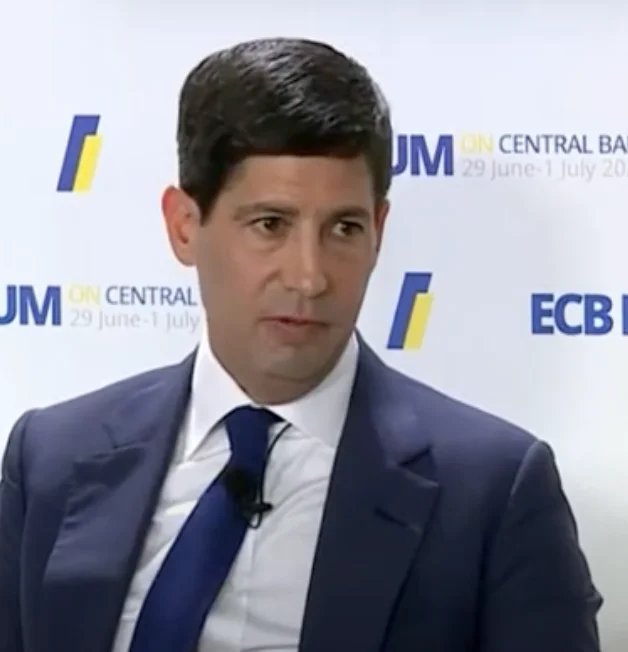
Warsh Faces Fed Independence Test as Treasury Coordination Looms
Washington, D.C. – August 20, 2026. Treasury Secretary Scott Bessent’s effort to tamp down long-term Treasury yields is colliding with the Federal Reserve’s institutional independence, putting Fed Chair nominee Kevin Warsh in the crosshairs. The question now is not whether the Fed will move, but how far it should go in coordinating bond purchases and balance sheet policy with the Treasury.
Bessent, who took office in January 2025, has been vocal about his desire to lower long-term borrowing costs to support economic growth and housing. His approach has centered on pressuring the Fed to adjust its quantitative tightening (QT) program, which has been shrinking the central bank’s $4.5 trillion balance sheet since June 2022. According to recent Treasury data, the 10-year yield has hovered around 4.2% in August 2026, up from 3.8% in early 2025, despite Bessent’s efforts.
Bessent’s Yield Targets Meet the Fed’s Balance Sheet
Bessent has argued that the Fed’s continued QT is tightening financial conditions more than necessary, especially as inflation has cooled to 2.8% (as of July 2026, per the latest CPI report). He has publicly suggested that the Fed should consider ending QT earlier than planned or even restarting asset purchases if yields spike.
However, the Fed’s own projections, released at the June 2026 FOMC meeting, indicated that QT would continue at a pace of $60 billion per month in Treasuries and $35 billion in mortgage-backed securities until at least September 2026. This disconnect creates a palpable tension. Warsh, a former Fed governor and current nominee to replace Jerome Powell, has a history of advocating for rule-based monetary policy and has previously criticized Fed intervention in bond markets.
Why Warsh’s Stance on Coordination Matters
Warsh’s confirmation hearings, expected in September 2026, will likely become a battleground for this issue. He has not yet taken a public position on Bessent’s proposals, but his past statements suggest he would resist political pressure to adjust policy for fiscal reasons. In a 2024 speech at the Hoover Institution, Warsh warned that “central bank independence is fragile and must be protected from fiscal dominance.”
If Warsh aligns with Bessent, it could signal a shift toward what economists call “yield curve control” (YCC), where the Fed targets a specific yield level. The last time the Fed engaged in YCC was during World War II, and its modern deployment by the Bank of Japan (2016-2024) has been criticized for distorting markets and reducing central bank credibility.
Market Expectations and the Treasury-Fed Dynamic
Investors are already pricing in some coordination. The premium on 30-year Treasuries has widened by 15 basis points since Bessent’s comments in early August, reflecting uncertainty about Fed independence. The dollar index, meanwhile, has weakened 2% from its July peak, partly on speculation that the Fed might tilt toward easier policy.
Bessent’s tools are limited. He can influence the Treasury’s debt issuance, which he has already adjusted by shifting more issuance to short-dated bills to reduce long-end supply. According to Treasury data from mid-August, the share of bills in total marketable debt has risen to 22%, the highest since 2020. That move alone, however, has not been enough to lower yields.
The Independence Test in Numbers
The core tension is quantified by the term premium, which measures the extra yield investors demand for holding long-term bonds. As of August 19, the 10-year term premium was estimated at -0.3%, according to the New York Fed’s ACM model, indicating that investors do not yet expect inflation or fiscal risk to push yields higher. But if the Fed were to signal a policy shift under political pressure, that premium could turn positive quickly, raising borrowing costs for the government and businesses.
Warsh’s confirmation timeline is critical. The Senate Banking Committee has scheduled his hearing for September 15, and a vote is expected by early October. If Warsh commits to maintaining the Fed’s independence, it could reassure markets, but it would also set up a public clash with Bessent. If he signals flexibility, it might ease short-term volatility but raise long-term credibility concerns.
Historically, the Fed has resisted such coordination. In 2020, during the pandemic, the Fed did step in to stabilize Treasury markets, but that was an emergency measure, not a sustained policy. Bessent’s push is more deliberate, aiming to manage the yield curve proactively, a departure from the Fed’s traditional focus on the federal funds rate.
What to Watch in the Coming Weeks
Investors should focus on two signals: first, whether the Fed’s August 2026 FOMC minutes, due out August 25, reveal any discussion of adjusting QT parameters; second, Warsh’s testimony on September 15, where he will likely be pressed on his views regarding Treasury coordination. If the minutes show any openness to ending QT early, expect yields to drop and the dollar to weaken further. If Warsh strongly defends independence, yields may spike as a risk premium returns.
The next concrete data point is the August jobs report, scheduled for release on September 4, which will influence the Fed’s September meeting. A weak report could intensify pressure on the Fed to pivot, while a strong one could give Warsh cover to resist. The outcome will define not just the current cycle, but the institutional boundary between the Treasury and the central bank for years to come.







Comments are closed.