
Nvidia’s Strategic Move for High-Bandwidth Memory
Nvidia is intensifying its focus on securing a robust supply of high-bandwidth memory (HBM), a critical element in enhancing the performance of its graphics processing units (GPUs). This decisive action comes as part of Nvidia’s broader strategy to leverage artificial intelligence (AI) technologies across various sectors, with an eye on a monumental $500 billion market opportunity.
The move to lock down memory supply ties directly into the increasing demand for advanced computing power driven by AI innovations. As industries from healthcare to automotive embrace AI technologies, the need for GPUs with superior memory capabilities has surged. By securing a reliable source of HBM from South Korean chipmaker SK Hynix, Nvidia aims to maintain its competitive edge in a rapidly evolving market.
Market Context: The Growing Demand for GPUs
The demand for GPUs is surging, fueled by the rapid adoption of AI technologies. Recent reports indicate that the global GPU market is expected to reach $200 billion by 2027, largely driven by sectors like gaming, data centers, and AI. As companies seek to leverage machine learning and deep learning capabilities, the performance of GPUs becomes more critical, making high-bandwidth memory a sought-after resource.
Nvidia, already a leader in the GPU space, understands that ensuring a steady supply of HBM is essential for meeting the anticipated demand. The collaboration with SK Hynix not only secures Nvidia’s supply chain but also hints at a strategic partnership that could yield long-term benefits as both companies navigate the complexities of chip manufacturing and supply logistics.
The Financial Implications: Nvidia’s $500 Billion Ambition
Nvidia’s commitment to the AI sector is underscored by its ambitious $500 billion valuation goal. This target reflects the company’s belief in the transformative potential of AI across various industries. A significant aspect of this valuation is tied to the performance and capabilities of its GPUs, which require advanced memory solutions.
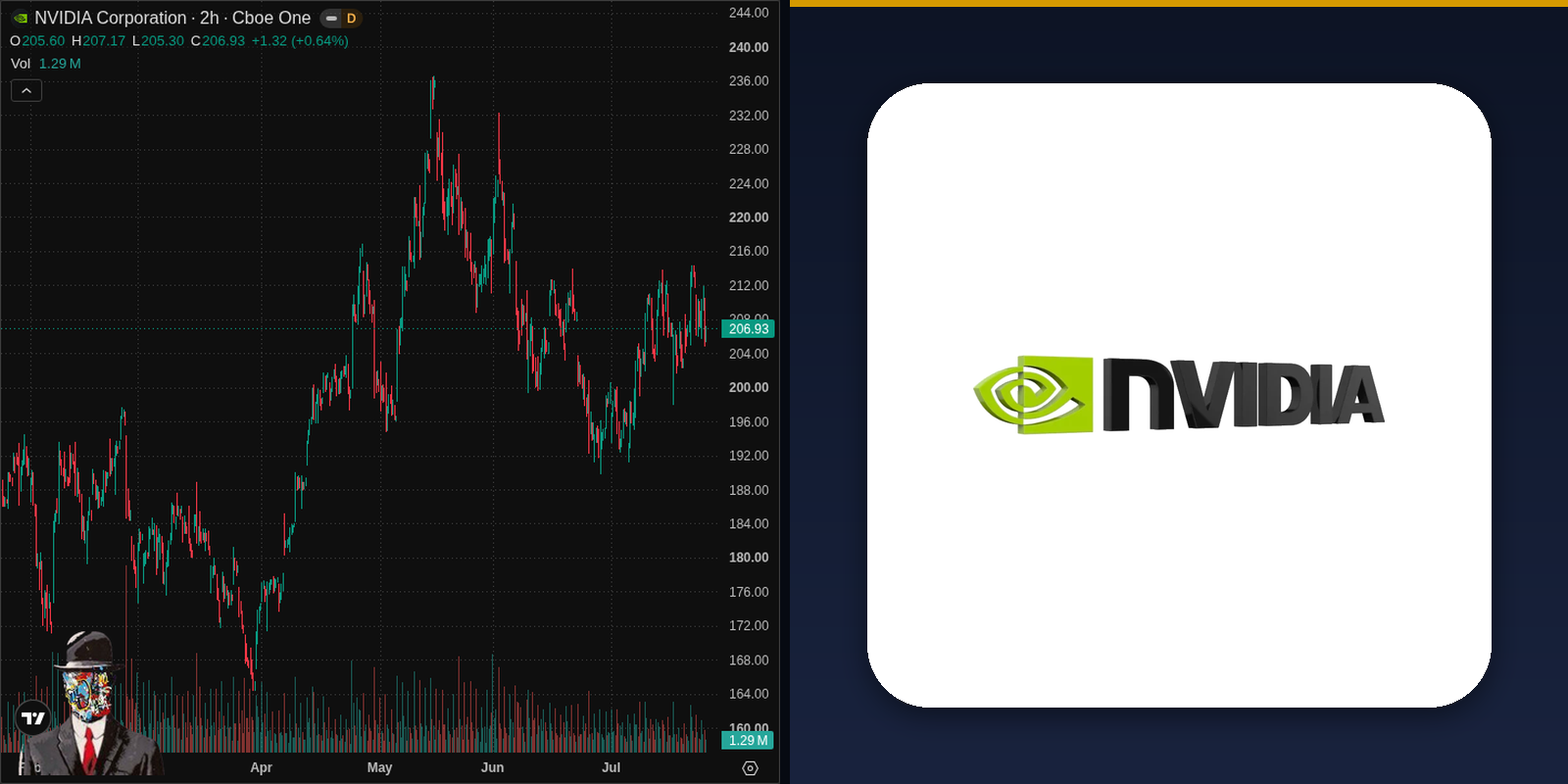
By locking down memory supplies, Nvidia is not only safeguarding its production capabilities but also ensuring that its products remain at the forefront of technological advancements. Investors are closely monitoring Nvidia’s ability to execute its strategy, as the success of its AI initiatives could have profound implications for its stock price and overall market standing.
Potential Challenges in the Semiconductor Landscape
While Nvidia’s proactive approach to securing memory supply is commendable, the semiconductor industry is fraught with challenges, including supply chain disruptions and geopolitical tensions. Recent events have shown how fragile supply chains can be, especially in light of global events that impact trade and manufacturing.
The reliance on a single supplier for high-bandwidth memory could pose risks if market conditions fluctuate or if SK Hynix faces production issues. Nvidia’s management must remain agile in addressing potential challenges to mitigate risks that could arise from unforeseen circumstances.
What to Watch Moving Forward
Looking ahead, investors will be keenly watching Nvidia’s quarterly earnings and updates on its AI initiatives. Key metrics to consider will include GPU sales growth, advancements in AI technology, and any announcements regarding partnerships with other suppliers. The performance of SK Hynix in meeting Nvidia’s memory supply needs will also be a crucial indicator of how well the company can navigate the competitive landscape.
Furthermore, any changes in the global semiconductor market, such as shifts in demand or supply chain dynamics, could significantly impact Nvidia’s strategy and success. Monitoring these developments will be essential for stakeholders interested in Nvidia’s long-term trajectory in the AI and GPU markets.










Comments are closed.