
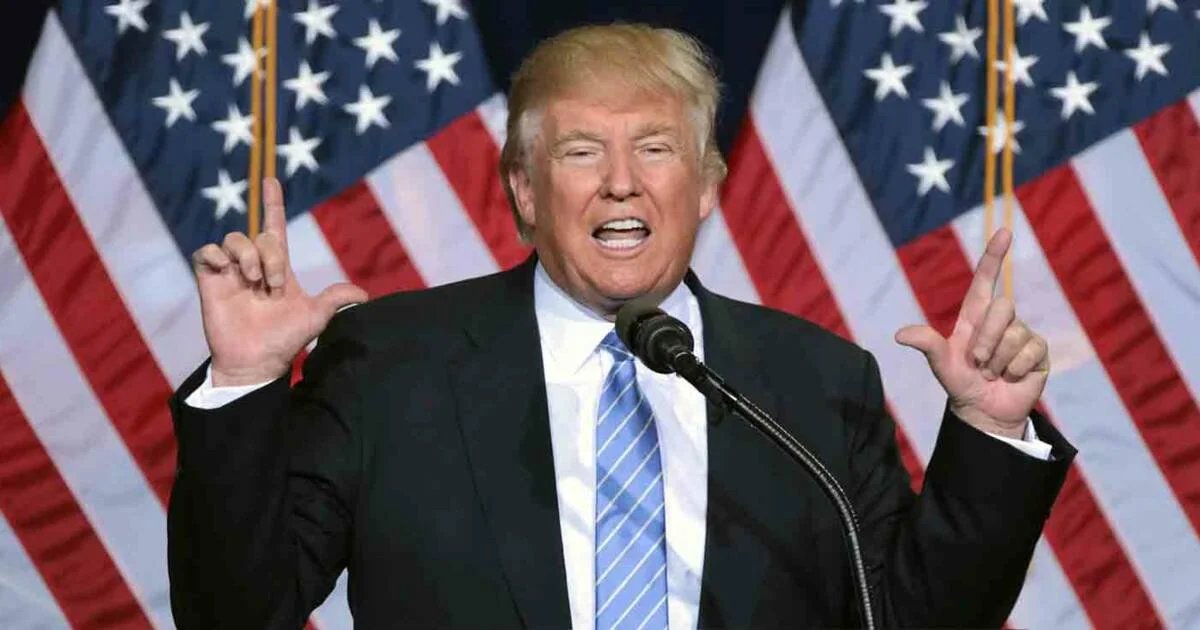
Trump’s Military Threats Raise Oil Market Fears
The geopolitical tensions between the U.S. and Iran have escalated significantly, with former President Donald Trump threatening military action against Iranian infrastructure, including bridges and power plants. This rhetoric has implications not only for international relations but also for the global oil markets. Bob McNally, founder of Rapidan Energy Group, highlighted that a potential escalation surrounding the Strait of Hormuz could result in higher oil prices, reiterating that the market is nearing its capacity to absorb shocks. With Brent crude recently hitting its highest level since early June, any aggressive military moves could further destabilize oil supply, driving prices even higher.
Congressional Transparency on War Costs Under Scrutiny
In a recent discussion, Senator Elissa Slotkin (D-MI) criticized the Trump administration for its lack of transparency regarding the financial implications of ongoing military actions in Iran. Slotkin argues that the administration is underestimating the costs associated with the conflict, urging Congress to demand more accountability before approving additional funding for the Pentagon. The call for transparency comes at a time when public sentiment appears to be shifting, with many Americans expressing concerns over the costs of the war, which could complicate future funding approvals.
Middle East Geopolitics: A Nuclear Deal on the Horizon?
Adding another layer of complexity to the situation, Senator Slotkin also addressed the recent nuclear agreement between the U.S. and Saudi Arabia, which is poised to alter the dynamics of the Middle East. With Trump’s approval of this deal, the potential for nuclear proliferation in the region raises alarms among international observers. This development could lead to increased tensions not only with Iran but also with other regional powers who may view the agreement as a threat to their security.
Political Backlash: Calls for Accountability
Meanwhile, Israeli UN Ambassador Danny Danon made headlines by asserting that New York City Mayor Zohran Mamdani should face arrest instead of Israeli Prime Minister Benjamin Netanyahu, who has been accused of war crimes. Mamdani’s calls for the federal government to act on the International Criminal Court’s arrest warrant for Netanyahu add another dimension to the ongoing political discourse surrounding the conflict. This clash highlights the growing friction between U.S. domestic politics and international relations.
The Broader Market Implications of Ongoing Tensions
The potential for conflict in the Middle East has broader implications for global markets. As McNally noted, the oil market is grappling with a ‘two chokepoint’ problem, where sustained conflict could disrupt supply chains and lead to significant price increases. This uncertainty is particularly concerning for industries reliant on stable oil prices, including transportation and manufacturing. Investors are already showing signs of trepidation, with fluctuations in oil stocks and related equities reflecting the growing anxiety.
The situation remains fluid, and market participants are advised to closely monitor developments. Key indicators to watch include further statements from U.S. officials regarding military actions, Congressional responses to war funding, and shifts in public opinion. Additionally, any news regarding the implementation of the U.S.-Saudi nuclear deal could significantly impact regional dynamics and market sentiments.







Comments are closed.