
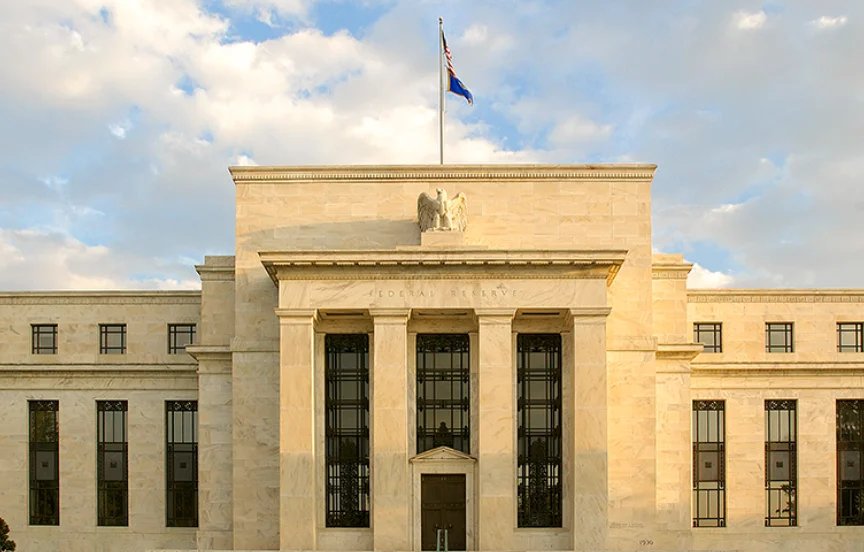
The Shift in Fed Communication
As the Federal Reserve navigates a new communication strategy, investment firms are bracing for a future with fewer public statements and less guidance on monetary policy. This shift is significant, as the Fed has traditionally provided insights that help investors gauge the economic landscape and make informed decisions. The shift comes amid changing economic conditions, with inflation concerns remaining at the forefront and interest rates expected to stabilize.
Historically, traders and analysts have relied on the Fed’s comments and speeches to interpret the central bank’s stance on issues like interest rates, inflation, and economic growth. However, with a potential reduction in public commentary, firms are now exploring innovative tools to adapt to this evolving environment.
Artificial Intelligence: The New Edge
As a response to these changes, many investment firms are increasingly turning to artificial intelligence (AI) technologies for an edge in their trading strategies. AI’s ability to analyze vast amounts of data quickly and efficiently allows firms to process information that may not be readily available from traditional channels. This technological pivot could prove invaluable in a landscape where investor sentiment may shift dramatically based on limited information.
By employing AI-driven analytics, firms can interpret market trends, identify investment opportunities, and even foresee potential shifts in investor behavior. This proactive approach may help mitigate risks associated with the uncertainty stemming from reduced communication from the Fed. Companies such as BlackRock and Goldman Sachs are leading the charge, implementing sophisticated AI algorithms to enhance their trading strategies and improve decision-making processes.
Market Reactions and Implications
The implications of this new strategy are already being felt across the markets. The S&P 500 ($SPY) has shown signs of volatility as investors react to the Fed’s muted communication. In contrast, the long-term Treasury bonds ($TLT) have seen increased demand as investors seek safety amid rising uncertainty.
Recent data indicates that the S&P 500 has fluctuated within a narrow range, reflecting market hesitancy as investors await further clarity on the Fed’s future direction. Meanwhile, Treasury yields have dipped slightly, suggesting that some investors are flocking to safer assets amid the perceived risks of equities.
Looking Ahead: What to Expect
As the Fed continues to refine its communication strategy, investment firms will likely place a greater emphasis on AI and data analytics. The ability to adapt to fewer signals from the Fed could become a pivotal determinant of success in the financial markets. Firms that effectively harness AI will not only gain a competitive advantage but may also set new benchmarks for how investment strategies are developed.
In an environment where traditional signals are diminishing, the reliance on technology will continue to grow. Investors will need to remain vigilant and informed about these changes, as the landscape of financial communication evolves. The proactive measures taken by firms today will shape the future dynamics of investment strategies and market behavior.
Summary and Takeaway
The transition to a less communicative Federal Reserve presents challenges and opportunities for investment firms. With the rise of AI, they are poised to navigate this new landscape more effectively, identifying trends and acting swiftly. Investors should prepare for a more data-driven approach in the financial markets as the Fed’s communication undergoes a transformation.











Comments are closed.