
Global Tensions and Economic Messaging
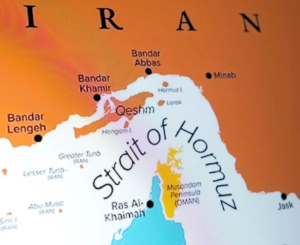
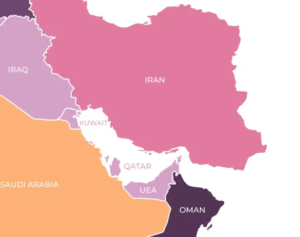
As the conflict in Iran escalates, the potential impact on global economic stability is becoming a significant concern. This is particularly relevant as midterm elections approach, with candidates across the political spectrum honing their messages on economic affordability. The war in Iran introduces a layer of uncertainty that could drastically shift both voter priorities and candidate strategies.
Historically, midterm elections have served as a referendum on current economic conditions, with issues like inflation, unemployment, and consumer prices taking center stage. However, geopolitical tensions often bring unforeseen challenges to the forefront, reshaping the political landscape. The current situation in Iran is no exception, with its potential to affect global oil prices and supply chains, which are critical to economic stability.
Market Reactions and Economic Indicators
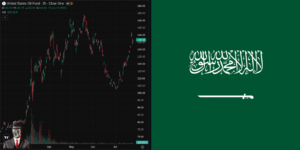
Financial markets have already begun responding to the conflict with increased volatility. The price of oil, represented by $USO, has seen significant fluctuations as investors react to the uncertainty surrounding Middle Eastern oil supplies. This volatility could lead to higher fuel prices, further straining household budgets and complicating the affordability narrative central to many political campaigns.
Additionally, the broader stock market, tracked by indices like $SPY, reflects growing anxiety among investors. Persistent inflation and potential disruptions in global trade due to the Iran conflict could exacerbate existing economic challenges. Analysts are closely monitoring economic indicators such as consumer confidence and retail spending, as these will likely play a pivotal role in the upcoming elections.
Strategic Political Implications
Political strategists are now tasked with balancing economic messages that address both domestic concerns and international developments. Candidates must communicate how they plan to mitigate the effects of global tensions on local economies, a complex narrative that requires nuanced policy proposals. The challenge lies in resonating with voters who prioritize immediate financial relief over long-term geopolitical strategies.
As the situation in Iran continues to evolve, candidates may find themselves revising their platforms to address both the direct and indirect consequences of the conflict. This shift necessitates a keen understanding of international relations and economic policy, areas that can make or break political campaigns in times of crisis.
Conclusion and Looking Ahead
The ongoing conflict in Iran serves as a stark reminder of the interconnectedness of global and domestic affairs. As midterm elections near, the ability of candidates to effectively address economic concerns in the context of international developments will be crucial. Voters will be keenly observing how leaders plan to navigate these complexities while maintaining economic stability.
In summary, the Iran war is poised to significantly influence the narrative around economic affordability in the upcoming midterms. As candidates adapt their strategies to address this new reality, the focus will remain on ensuring that the economic implications of global conflicts are managed to protect domestic financial interests.



Comments are closed.