
Escalating Geopolitical Tensions
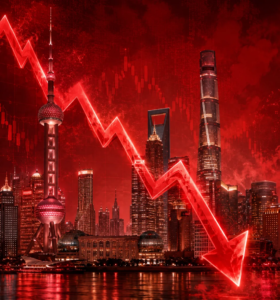
This week has marked a turbulent period for Wall Street as escalating geopolitical tensions in the Middle East have significantly impacted investor sentiment. The ongoing conflict between the United States and Iran has introduced a high degree of uncertainty into the markets, causing investors to retreat from riskier assets.
As the situation in Iran remains fluid, traders are closely monitoring developments for any signs of escalation or resolution. This uncertainty has contributed to a notable decline in major indices, with the S&P 500 and Dow Jones Industrial Average both experiencing their steepest weekly drops since November.
Impact on Energy and Defense Sectors
The heightened tensions have had a pronounced effect on certain sectors. Energy stocks, in particular, have been volatile as oil prices react to potential disruptions in supply from the Middle East. Brent crude and West Texas Intermediate reached multi-month highs earlier this week, only to retreat slightly as traders await further clarity.
Meanwhile, defense stocks have seen some support as investors anticipate increased government spending in response to the geopolitical threats. Companies in the aerospace and defense sectors have outperformed the broader market, reflecting expectations of heightened demand for military equipment and services.
Broader Market Reactions
Beyond sector-specific movements, the overall market has also been influenced by macroeconomic factors. The Federal Reserve’s recent comments on maintaining interest rates and its commitment to monitoring economic data have offered some level of reassurance. However, the overarching geopolitical concerns have overshadowed these domestic economic considerations.
Additionally, the upcoming earnings reports and economic indicators are expected to add another layer of complexity to the market’s outlook. Investors are particularly interested in how companies will navigate the earnings season amid these geopolitical uncertainties.
Looking Ahead
As investors brace for potential market volatility, many are seeking safer assets such as gold and government bonds. The influx into these havens indicates a defensive positioning by market participants as they prepare for potential further instability in the Middle East.
In summary, the ongoing conflict between the U.S. and Iran has undeniably cast a shadow over global markets. While the immediate impact is being felt through stock market declines and sector-specific movements, the long-term implications remain uncertain. Traders and investors will continue to watch geopolitical developments closely, as any significant escalation could lead to further market turmoil.
Looking forward, the focus will remain on diplomatic efforts and their potential to ease tensions. Market participants will also be keenly observing any policy shifts that might emerge in response to the evolving geopolitical landscape. Ultimately, the coming weeks will be crucial in determining whether the market can stabilize or if further volatility is on the horizon.








Comments are closed.