
Shanghai Exchange Implements New Trading Limits
The Shanghai International Energy Exchange (INE) has introduced new trading limits on crude oil futures, effective from the night session on March 3, 2026. This strategic move aims to manage speculative risks and maintain market stability amid global volatility. The adjustment caps the maximum intraday position opening volume for non-Futures Firm Members and Overseas Special Non-Brokerage Participants (OSNBP) at 1,200 lots for crude oil futures. Similar restrictions apply to other contracts, including 6,000 lots for Low Sulfur Fuel Oil futures and 50 lots for the Containerized Freight Index (Europe Service) futures. It is important to note that accounts under common control are aggregated as one, although hedging or market-making positions are exempt from these restrictions.
Market Reactions and Broader Implications
These changes align with INE’s Risk Management Rules, designed to mitigate speculative activities while ensuring orderly market operations. Independent reports from Market News 24/7 confirm that these adjustments are part of broader risk control measures, though the specific lot limits were not detailed in their coverage. Additionally, Wallstreetcn highlighted further modifications to price limits and margin ratios. From March 4, the price fluctuation limit for crude-related contracts was expanded to ±12%, while maintenance and speculative margin requirements were set at 13% and 14%, respectively.
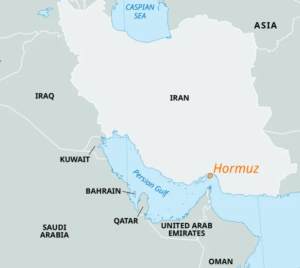
The backdrop to these adjustments is a turbulent global oil market, exacerbated by geopolitical tensions in the Strait of Hormuz. The closure of this crucial chokepoint by Iran has significantly disrupted seaborne oil flows, causing a sharp increase in crude prices. Brent crude oil saw a spike of 10-13% following these developments, with analysts cautioning that prices could breach the $100 per barrel mark if disruptions persist. As of March 4, Brent was trading around $81.12 per barrel, with WTI at approximately $74.15.
INE’s Strategic Response to Global Oil Market Volatility
The adjustments by INE are both preemptive and reactive, aiming to balance liquidity with the need to curb excessive speculation during periods of heightened volatility. The widened price bands and increased margin requirements reflect the underlying market conditions, allowing for legitimate price movements while ensuring that traders maintain adequate capital buffers.
These measures underscore a dual approach by INE: facilitating market function in the face of global disruptions, while proactively limiting speculative excesses. Although specific expert commentary is not readily available, it is likely that analysts view these actions as a proactive step in risk management, ensuring the orderly trading of SC crude futures as global shocks reverberate through energy markets.
Summary and Future Outlook
The Shanghai International Energy Exchange’s recent actions highlight its commitment to maintaining market stability amid increasing global volatility. By imposing position limits and adjusting price bands and margins, INE is taking decisive steps to manage risk and safeguard the integrity of its trading environment. As geopolitical tensions continue to influence crude oil prices, the exchange’s measures provide a critical framework for market participants navigating these uncertain times.
Looking forward, the effectiveness of these measures will depend on the evolving geopolitical landscape and its impact on global oil supply chains. Market participants will need to remain vigilant and adaptable as they respond to ongoing developments in the energy sector.







Comments are closed.