
Title
How are market fluctuations affecting your investments?
Market Volatility Amid Geopolitical Tensions
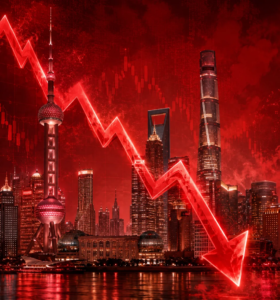
Indian stock markets have been on a turbulent ride recently, with indices like the Nifty 50 experiencing sharp declines. This downturn is primarily driven by escalating tensions in the Middle East, a region prone to geopolitical conflicts that can have far-reaching effects on global markets. Investors are feeling the pressure, with many contemplating their next move amid this uncertainty.
During times of geopolitical unrest, markets often react unpredictably. Historical data suggests such conflicts typically lead to temporary corrections, rather than long-term downturns. Therefore, while the current situation might seem daunting, it could present significant opportunities for those willing to remain patient and strategic in their approach.
Expert Recommendations for Navigating Uncertainty
Investment experts are advising against panic selling, a common reaction during times of market stress. Instead, the focus should be on identifying quality businesses that offer sustainable, long-term growth. This strategy can help mitigate potential risks associated with geopolitical tensions.
Moreover, brokerages are actively recalibrating their portfolios to adapt to the current environment. There is a growing preference for domestic cyclicals and specific sectors that are less exposed to international volatility. These include technology, pharmaceuticals, and essential consumer goods, which often demonstrate resilience even in turbulent times.
Opportunities in Domestic Markets
As global tensions ripple through international markets, domestic stocks in India might offer a more stable investment avenue. Particularly, sectors that cater to domestic demand are seen as safer bets. These include sectors like infrastructure, which the Indian government continues to support through policy initiatives and investments.
Another area gaining attention is the renewable energy sector. As India pushes towards sustainability, companies in this space are expected to see growth, bolstered by government incentives and a global shift towards green energy.
The Role of Cryptocurrencies
In addition to traditional assets, cryptocurrencies like Bitcoin ($BTC) and Ethereum ($ETH) are increasingly becoming part of the conversation. While these digital assets are known for their volatility, they also offer diversification benefits. As global financial systems face uncertainties, some investors are turning to crypto as a hedge or alternative asset class.
However, it’s crucial to recognize the inherent risks associated with cryptocurrencies. Their value can swing dramatically based on market sentiment and regulatory developments. Therefore, they should be approached with caution and considered as part of a broader, diversified portfolio strategy.
Summary and Forward-Looking Takeaway
While the current geopolitical climate presents challenges, it also opens doors for strategic investment decisions. By focusing on quality businesses and sectors with domestic growth potential, investors can navigate this uncertain period more effectively. Additionally, exploring alternative assets like cryptocurrencies can provide diversification benefits, though it’s essential to weigh the associated risks carefully.
As the situation in the Middle East evolves, investors should stay informed and be prepared to adjust their strategies accordingly. Maintaining a long-term perspective and avoiding knee-jerk reactions will be key to weathering this storm and seizing potential opportunities as they arise.







Comments are closed.