
Market Reactions to Middle East Tensions
Investors are closely watching the developments in the Middle East as geopolitical tensions escalate involving Iran. This has led to increased volatility in the stock markets, with the S&P 500 ($SPX) and global oil markets ($OIL) experiencing significant fluctuations. The conflict has heightened fears of potential disruptions in oil supply, which is crucial for energy-dependent economies.
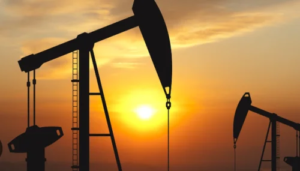
The recent uptick in oil prices comes amid concerns that military actions or sanctions could impede oil production and exports from the region. This situation has investors speculating on how prolonged instability might impact global energy prices and, consequently, broader market indices. With oil being a key driver of inflation, these price movements are closely monitored by traders attempting to adjust their market positions accordingly.
Impact on Inflation and Economic Growth
As oil prices rise, the ripple effects are felt across various sectors. Energy-intensive industries might face increased operational costs, which could eventually be passed on to consumers, affecting inflation rates. Central banks worldwide are on alert as they navigate the balance between managing inflation and supporting economic growth.
The Federal Reserve, for instance, has a challenging task of monitoring inflationary pressures without stifling economic recovery efforts. If oil prices continue their upward trajectory, it could complicate monetary policy decisions. Analysts note that any significant hike in inflation rates due to sustained higher oil prices might prompt central banks to consider tightening measures sooner than anticipated.
Investor Strategies Amid Volatility
Given the current climate of uncertainty, investors are revisiting their strategies to mitigate risks while searching for potential opportunities. Diversifying portfolios to include assets less susceptible to geopolitical shocks, such as commodities and defensive stocks, is one approach being considered.
Additionally, some traders are focusing on sectors that could benefit from rising energy prices, like renewable energy or industries with pricing power that can absorb increased costs. Others are adopting a more cautious stance, opting to hold cash or low-risk assets until the situation becomes clearer.
Global Market Outlook
Looking forward, the trajectory of the Iran conflict will be pivotal in shaping market dynamics. Continued skirmishes or diplomatic resolutions could influence the direction of oil prices and, by extension, broader market trends. Analysts emphasize the importance of closely monitoring geopolitical developments and remaining agile in investment strategies to navigate these uncertain waters effectively.
The situation also underscores the complex interplay between geopolitical events and market performance, where investor sentiment can shift rapidly in response to global news. As the market digests these events, staying informed and adaptable will be key for investors aiming to safeguard their portfolios.
In summary, the escalating tensions with Iran have added another layer of complexity to an already volatile market environment. Investors and policymakers alike must stay vigilant and responsive to the evolving landscape, balancing the risks and opportunities that arise from such geopolitical uncertainties.





Comments are closed.