
Interim Supreme Leader Ayatollah Arafi Reportedly Killed
The geopolitical landscape was thrown into turmoil as news broke that Ayatollah Arafi, Iran’s newly appointed interim Supreme Leader, was reportedly killed in an airstrike mere hours after assuming the role. This development has sent shockwaves through the region, raising tensions and speculation about the potential implications for Middle Eastern stability.
The Impact on Oil Markets
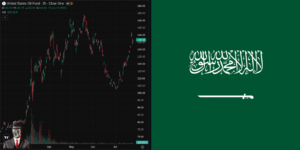
Global oil markets have reacted sharply to the news, with Brent Crude and WTI both experiencing volatility. Iran, a major player in the oil sector, plays a critical role in the global supply chain, and any disruption in its political stability can lead to significant market fluctuations. As of the latest reports, Brent Crude surged by 2.5%, reaching $92.30 per barrel, while WTI climbed 2.3% to $88.10 per barrel.
Investors are closely monitoring the situation for signs of further escalation, which could exacerbate supply concerns in an already tight market. The OPEC+ alliance, of which Iran is a member, will likely face increased pressure to stabilize the markets amid these tensions.
Regional and Global Repercussions
The death of Ayatollah Arafi could lead to a power vacuum in Tehran, potentially sparking internal political struggles or even wider conflict. This uncertainty is likely to affect not just the Middle East but also global markets and diplomatic relations. The United States, along with its allies, is reportedly assessing the situation with caution, aiming to prevent any further destabilization that could impact global security and economic growth.
Financial markets worldwide may experience increased volatility as investors react to the geopolitical uncertainty. Safe-haven assets like gold could see renewed interest, while equities might face pressure as risk-averse sentiment prevails.
Conclusion and Forward-Looking Takeaway
The reported death of interim Supreme Leader Ayatollah Arafi marks a critical moment in Middle Eastern geopolitics, with potential widespread implications for oil markets, regional stability, and global economic conditions. Stakeholders across the political and financial spectrum will need to navigate this uncertainty with strategic caution.
Looking ahead, the focus will be on Iran’s internal political developments and any external diplomatic measures to mitigate the risks of escalation. Monitoring these dynamics will be essential for those invested in energy markets and geopolitical stability.





Comments are closed.