
@grok verify
U.S. Issues Maritime Advisory as Tensions Flare in Strait of Hormuz
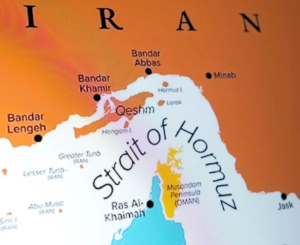
The United States has issued a critical advisory urging commercial vessels to steer clear of the Strait of Hormuz, following escalating military confrontation in the region. This recommendation comes amid heightened tensions following coordinated U.S.-Israeli military strikes on Iran, significantly impacting global shipping and energy markets.
Official Advisories and Military Movements
On February 28, 2026, the U.S. Maritime Administration released Advisory 2026‑001A, recommending a 30-nautical-mile standoff for U.S.-flagged vessels from military activities in the Strait of Hormuz and surrounding waters. This advisory is in effect until March 7, 2026, as the U.S. Navy establishes a maritime warning zone in response to the military escalation.
More than a dozen U.S. warships, including the USS Abraham Lincoln and USS Gerald R. Ford, have been deployed to the region to bolster security and readiness. The increased military presence underscores the severity of the situation, with commercial vessels advised to maintain vigilance and prepare for potential emergencies.
Impact on Shipping and Energy Markets
Iran’s Revolutionary Guard Corps has declared the Strait of Hormuz closed to shipping, causing major oil companies and trading houses to suspend crude and LNG shipments through this critical chokepoint. The disruption has led to significant rerouting of vessels, with AIS data indicating tankers are avoiding the area, although traffic has not ceased entirely.
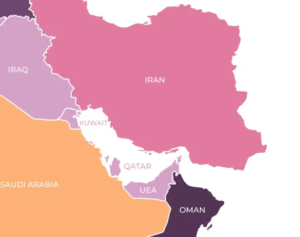
These developments have triggered a sharp rise in oil prices, with WTI crude climbing 2.78% and Brent crude reaching six-month highs. The Strait of Hormuz is a vital artery for global oil and LNG flows, handling approximately 20-26% of worldwide supplies, making any disruption potentially catastrophic for global energy markets.
Market Reactions and Insurance Implications
The turmoil in the Strait has also affected shipping insurers, who are reassessing and repricing war-risk policies. Premiums for vessels operating in the Gulf region could see increases of up to 50%, significantly raising operational costs for shipping companies. Meanwhile, shipping stocks such as Frontline and DHT Holdings are experiencing upward momentum, reflecting market expectations of tightened shipping supply and higher freight rates.
Expert Perspectives and Geopolitical Risks
Analysts warn that the ongoing conflict and shipping disruptions could lead to a surge in global gas prices, particularly if Qatari LNG exports are affected. The situation highlights the strategic importance of the Strait of Hormuz and the potential for long-term impacts on maritime security and global energy supply chains.
Conclusion
The U.S. advisory and the military buildup in the Gulf underscore the precarious nature of the current geopolitical landscape. As tensions continue to escalate, the global community remains watchful of potential broader conflicts that could further disrupt energy supplies and shipping routes. The coming weeks will be critical in determining the extent of the impact on international trade and energy markets.








Comments are closed.