# $USO #OIL #Venezuela #CrudeOil #EnergyCrisis #GlobalMarkets #OilProduction #EconomicImpact #OilPrices #MarketAnalysis #VenezuelanOil #SupplyChain
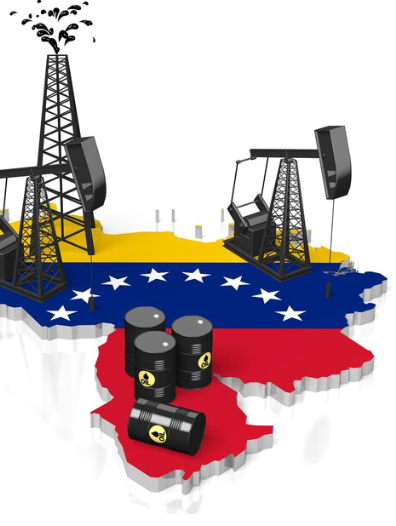
Is Venezuela On the Brink of Closing Its Oil Wells? Here’s What It Means for Global Markets.
Venezuela is facing a critical juncture in its oil production, as recent reports indicate that the country may soon shut in wells due to a severe lack of storage capacity. This situation arises amid a U.S. blockade on tankers, which has significantly hampered the nation’s ability to export oil. Such developments are crucial for those tracking Venezuela news, as they can have far-reaching implications for global oil markets.
According to insider information, Venezuela’s primary oil storage facility is nearing its capacity, with predictions that it could overflow within just ten days. This potential crisis threatens to curtail production and disrupt supply chains, raising concerns among investors and analysts alike. The implications of these circumstances extend beyond Venezuela, potentially affecting oil prices and energy markets worldwide.
The situation worsens as approximately 11 million barrels of Venezuelan crude oil remain stranded at sea, unable to offload due to the ongoing tanker blockade. Buyers are increasingly frustrated, leading to deeper discounts and renegotiations of spot contracts. As oil prices fluctuate in response to geopolitical tensions, this development could signal a new era of volatility in the energy sector.
Impact on Global Oil Prices
The prospect of Venezuela shutting in oil production raises questions about the stability of global oil prices. As one of the world’s largest oil reserves, any significant reduction in Venezuelan output will undoubtedly affect supply levels on the international market. This shift could lead to price increases, especially if other major oil-producing countries do not compensate for the lost barrels.
Additionally, the current geopolitical landscape complicates matters further. With rising tensions between the U.S. and other oil-producing nations, market participants must remain vigilant. A decrease in Venezuelan oil production could exacerbate existing supply concerns and lead to higher prices, which would ultimately affect consumers worldwide.
Broader Economic Ramifications
The ramifications of a potential Venezuelan oil shutdown extend beyond immediate market responses. A contraction in oil production could hinder the country’s already fragile economy, which heavily relies on oil revenues. This downturn could lead to increased inflation, exacerbating the humanitarian crisis that Venezuela faces.
Furthermore, a sustained rise in oil prices could put pressure on global economies, particularly those heavily dependent on oil imports. Central banks may need to adjust monetary policies in response to these changing dynamics, which could have long-term effects on inflation rates and economic growth.
For those looking to stay informed about the evolving landscape, monitoring developments in Venezuela’s oil sector is crucial. The outcome of this situation could shape the trajectory of oil prices and global markets for the foreseeable future.
In conclusion, Venezuela’s looming oil production shutdown represents a significant risk not only for its economy but for the global oil market as well. Investors and analysts should closely watch these developments, as they can have profound implications for energy prices and economic stability worldwide. For more insights on stock market trends and analysis, check out our stock section.






Comments are closed.