Could Trump’s Tariff Threats Push the UK Back to the EU? Here’s What It Means for You.
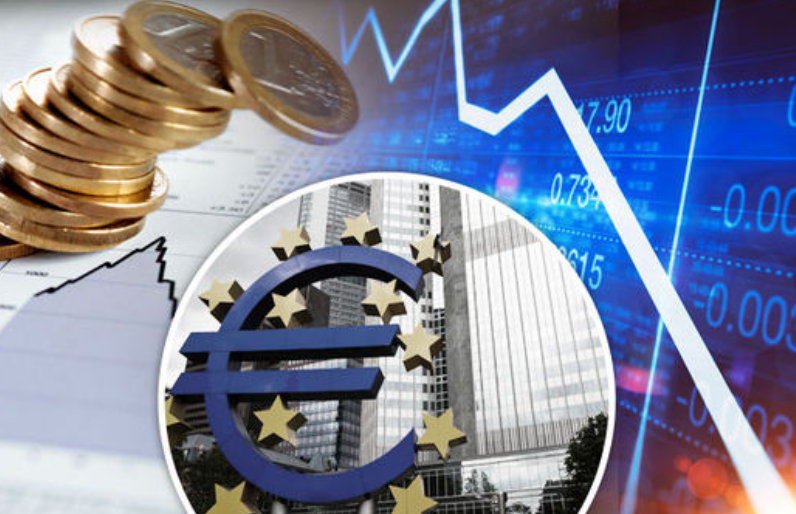
President Trump’s latest tariff threats could significantly impact the UK economy, placing it at risk of recession. This development raises the stakes for UK leadership, particularly for Keir Starmer, as he navigates mounting geopolitical tensions. The US president has issued a warning to European nations, including the UK, about implementing an additional 10% tariff on imported goods if a controversial deal regarding Greenland isn’t reached. This has become a focal point in recent trump news, with potential ramifications for the global economy.
Potential Economic Consequences for the UK
Economists are sounding alarms about the potential economic fallout these tariffs could cause for the UK. Analysts suggest that if the tariffs hit all at once, the UK economy could face a significant downturn, possibly plunging into a recession. The timing of this threat is particularly concerning as the UK is still grappling with the economic repercussions of Brexit and trying to stabilize trade relationships with the European Union and beyond.
Trade Relations and Strategic Decisions
The prospect of heightened tariffs places additional pressure on the UK to reassess its trade strategies. In the post-Brexit era, the UK has been working to establish independent trade agreements, but these recent developments may force a reconsideration of its position. The potential economic damage from increased tariffs could drive the UK closer to the EU, as it seeks to mitigate adverse effects on its economy by strengthening ties with its largest trading partner.
Implications for Global Trade and Markets
The ripple effects of these tariffs extend beyond the UK. Global markets are sensitive to trade tensions, and the uncertainty surrounding these tariffs could lead to increased volatility. Investors should remain vigilant and consider diversifying their portfolios to hedge against potential market fluctuations. For those involved in stock trading, it may be wise to stay informed through relevant updates and adjust strategies as needed.
Broader Geopolitical Concerns
At a broader level, this situation underscores the complexities of international geopolitics. The potential annexation of Greenland has become an unexpected point of tension, highlighting the strategic importance of territorial control in the Arctic. As nations like the US, UK, and EU navigate these diplomatic waters, the economic implications are significant, with potential shifts in alliances and trade partnerships.
What This Means Moving Forward
For businesses and policymakers, understanding the potential impacts of these tariffs is crucial. Companies reliant on international trade should prepare for possible disruptions and explore alternative markets. Policymakers, meanwhile, must weigh the long-term benefits of maintaining strong trade relations with both the US and the EU.
In conclusion, these tariff threats underscore the intertwined nature of global trade and geopolitics. The UK, caught at a crossroads, must consider its strategic options carefully. As developments unfold, staying informed and adaptable will be key to navigating the uncertain economic landscape.










Comments are closed.