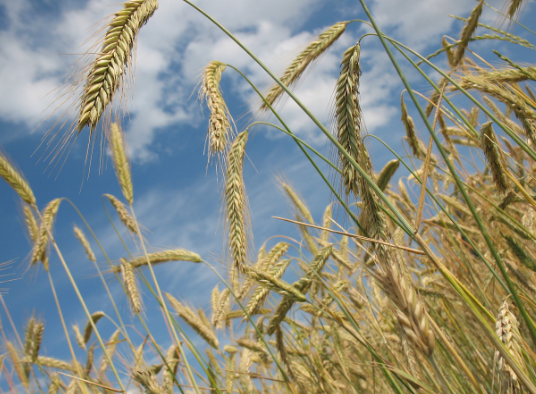
Why is Wheat Dropping at Midday and What Does It Mean for Your Wallet?
The wheat market is experiencing a downturn at midday, with all three major wheat futures trading in the red. In today’s wheat news, Chicago Soft Red Winter (SRW) futures are down by 6 to 7 cents. Similarly, Kansas City Hard Red Winter (HRW) futures are dropping 5 to 6 cents. Minneapolis Spring Wheat futures also show a decline of 5 to 6 cents. This downward trend in wheat prices is prompting investors and traders to reevaluate their agricultural portfolios.
Factors Driving the Decline in Wheat Prices
Understanding the factors contributing to this decline is crucial. A combination of global supply chain issues, fluctuating demand, and geopolitical tensions are impacting the wheat market. A recent report highlighted an unexpected increase in wheat production in key exporting countries. This oversupply exerts downward pressure on prices, as traders anticipate a surplus in the market.
Moreover, changing weather patterns in major wheat-producing regions are affecting crop yields. Favorable weather conditions have led to higher-than-expected harvests, compounding the oversupply issue. Additionally, currency fluctuations are playing a role. A stronger U.S. dollar makes American wheat more expensive for international buyers, dampening demand.
Economic Implications of Falling Wheat Prices
The decline in wheat prices has broader economic implications. Lower wheat prices may benefit consumers, reducing costs for various food products. However, farmers face the challenge of decreased revenues, which can impact their financial stability. In the long term, sustained low prices may lead to reduced planting intentions, affecting future supply.
For investors, falling wheat prices present both risks and opportunities. While some may see this as a buying opportunity, others might be concerned about the volatility in the commodities market. Individuals interested in agricultural investments should consider diversifying their portfolios to mitigate risks associated with commodity price fluctuations.
Impact on Related Markets and Sectors
The downward trend in wheat prices can also influence related markets. For example, the food and beverage industry may experience cost savings, potentially boosting profit margins. However, sectors tied to agricultural production, such as fertilizer and equipment manufacturing, might face reduced demand as farmers cut back on expenses to cope with lower revenues.
Investors in these sectors should stay informed about market developments. Monitoring wheat news and related market trends is essential for making informed investment decisions. Those with exposure to agricultural stocks may want to explore alternative stocks to maintain a balanced portfolio.
Strategic Considerations for Traders and Investors
Traders and investors should adopt a strategic approach when dealing with commodities like wheat. Technical analysis can provide insights into potential price movements, while keeping an eye on macroeconomic factors can help anticipate market shifts. Understanding global trade dynamics and geopolitical events is crucial for predicting future trends.
In conclusion, the midday decline in wheat prices reflects a complex interplay of factors. Staying informed and adaptable is key for anyone involved in the wheat market. As the situation evolves, keeping a close watch on wheat news and market indicators will be vital for making sound financial decisions.











Comments are closed.