
Warsh’s Fed Chair Nomination Sparks Controversy and Market Shifts
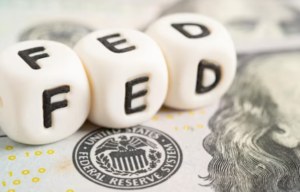
On January 30, 2026, President Trump nominated Kevin Warsh as the next Chair of the Federal Reserve, following Jerome Powell’s term ending in May. This announcement comes amid revelations from the U.S. Department of Justice’s release of the Epstein Files, which include Warsh’s name on guest lists for events hosted by Jeffrey Epstein. However, there is no evidence suggesting Warsh visited Epstein’s private island.
Epstein Files and Warsh’s Involvement
The DOJ’s release of over 3.5 million pages of documents and media under the Epstein Files Transparency Act has raised eyebrows with Kevin Warsh’s name appearing in connection to a 2010 St. Barth’s Christmas event and a dinner hosted by William Astor. Importantly, these documents do not confirm any direct involvement or visits to Epstein’s notorious private island.
While the files have sparked public scrutiny and calls for transparency, the inclusion of names on invitation lists does not imply wrongdoing or attendance. Lawmakers, including Rep. Ro Khanna, are advocating for further document releases to ensure complete transparency.
Market Reactions to Warsh’s Nomination
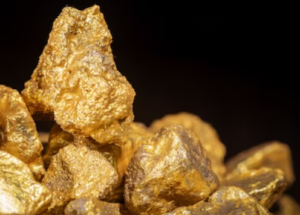
Warsh’s nomination has prompted notable market reactions, particularly in the commodities sector. Gold futures experienced a sharp decline, dropping 11% to $4,745 per troy ounce, and silver saw a staggering 31% fall to $78.53. These declines mark the steepest single-day drops since 1980, influenced by the rising U.S. Dollar Index, which increased by 0.7%.
The stock markets also reflected the uncertainty surrounding Warsh’s potential impact on monetary policy, with the S&P 500 down approximately 0.4% and the Russell 2000 falling by 1.5%. Analysts note that Warsh is perceived as a credible choice who may advocate for moderate rate cuts later this year, potentially easing concerns over market stability.
Political and Economic Implications
Warsh’s nomination is not without challenges. Senator Thom Tillis has vowed to block the nomination process until an investigation into Powell’s Fed headquarters renovation is resolved. This political maneuvering adds another layer of complexity to Warsh’s path to confirmation.
Experts like Luke Bartholomew from Aberdeen and Rogier Quaedvlieg from ABN Amro characterize Warsh as a figure who might maintain Fed independence while being perceived as relatively non-political. However, public backlash over his mention in the Epstein files could overshadow these attributes.
Conclusion
The unfolding narrative surrounding Kevin Warsh’s nomination for Fed Chair is a blend of geopolitical intrigue and economic implications. While Warsh appears on Epstein-related guest lists, the absence of evidence linking him to illicit activities should temper speculative conclusions. Markets have reacted sharply, indicating heightened sensitivity to potential shifts in monetary policy under new leadership. As political battles loom over his confirmation, stakeholders will closely watch Warsh’s approach to guiding the Federal Reserve amidst these multifaceted challenges.



Comments are closed.