Elizabeth Warren’s Concerns Post-Iran Briefing
U.S. Senator Elizabeth Warren expressed significant concern following a classified briefing on the escalating situation with Iran. The briefing, which delved into recent military activities and geopolitical tensions in the region, has heightened anxiety among key U.S. policymakers. Warren, a vocal critic of military engagement without congressional approval, hinted at the potential for increased conflict in the Middle East if diplomatic solutions are not prioritized.
The briefing comes amid rising tensions as Iran has been blamed for a recent bombing at a school in the region. The incident, which resulted in significant casualties, has drawn international condemnation. Warren’s apprehension underscores the complexities and potential ramifications of the U.S.’s current stance on Iranian activities.
Trump Rejects UK’s Aircraft Carrier Offer
In a related development, former President Donald Trump declined an offer from the United Kingdom to utilize their aircraft carrier for collaborative military efforts in the Persian Gulf. The decision reflects the ongoing geopolitical strategy of the U.S. to maintain naval supremacy in the region without external aid. Trump’s rejection of the offer signals a preference for deploying U.S. naval power independently, maintaining a strategic edge and control over military operations in the volatile Middle East waters.
This decision also highlights the U.S.’s commitment to leveraging its military assets strategically, without forming dependencies that could complicate international relations. Analysts suggest that this move could further strain U.S.-UK relations, but it also reinforces the U.S.’s stance on maintaining sovereignty over its military decisions in high-stakes geopolitical arenas.
Economic and Market Repercussions
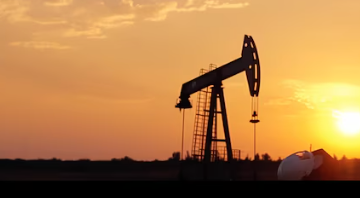
The geopolitical tensions with Iran and the strategic military decisions are not without economic implications. Any escalation in the region can significantly impact global oil prices, as seen historically. The market is particularly sensitive to developments in the Strait of Hormuz, a critical chokepoint for global oil shipments. Any disruption could lead to volatility in oil prices, impacting everything from energy costs to stock market stability.
Market analysts are closely watching the developments, as uncertainties in the Middle East often lead to bullish runs in oil prices. With global economies still recovering from pandemic-induced recessions, further instability in oil markets could complicate economic recovery efforts. Investors are advised to keep an eye on oil futures and energy stocks to hedge against potential volatility.
White House Reshuffles and Policy Shifts
Amid these geopolitical challenges, the White House continues to experience internal reshuffling. The ongoing changes in personnel reflect a strategic maneuver to align the administration’s foreign policy approach with current global dynamics. Key positions are being filled by individuals with extensive backgrounds in Middle Eastern affairs, aiming to bolster diplomatic efforts while preparing for any necessary military actions.
These shifts indicate a proactive approach by the U.S. administration to adapt to the rapidly changing geopolitical landscape. As the situation with Iran evolves, the U.S. aims to maintain a balance between diplomatic solutions and military readiness. The administration’s focus remains on securing American interests while mitigating the potential for large-scale conflicts.
In summary, the geopolitical tensions with Iran are casting a long shadow over U.S. domestic and foreign policy. As Elizabeth Warren voices concern, and Trump takes a firm stance on military independence, the economic and political implications are vast. The forthcoming weeks will be crucial as the U.S. navigates these challenges, with the global markets reacting to every development in this high-stakes geopolitical saga.
Looking forward, investors and policymakers alike will need to brace for potential market fluctuations and prepare strategic responses that could shape the global economic landscape for years to come.





Comments are closed.