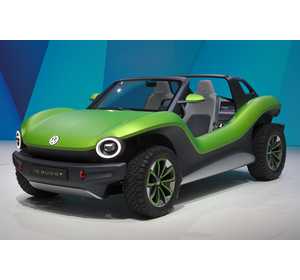
Volkswagen Reclaims China’s Top Sales Spot
Volkswagen Group has reportedly regained its position as the top-selling car brand in China for the first quarter of 2024, according to preliminary industry data. This marks a significant shift in the world’s largest automotive market, where Chinese electric vehicle (EV) maker BYD had surged ahead in recent years. The reversal highlights the intense competition and rapidly changing dynamics within China’s crucial auto sector.
The reported shift comes amid a fierce price war and evolving consumer preferences. Volkswagen’s performance appears to be driven by a combination of aggressive localization, new model launches tailored for Chinese consumers, and strategic pricing adjustments. Meanwhile, BYD’s sales momentum, while still robust, has shown signs of moderation as the overall market growth for EVs decelerates from its previous breakneck pace.
Market Context and Competitive Pressure
China’s passenger vehicle market is experiencing a complex phase. While overall sales have seen moderate growth, the EV segment’s expansion rate has slowed, increasing pressure on all manufacturers. This environment favors companies with broad product portfolios and strong brand heritage, potentially benefiting established players like Volkswagen. The German automaker has invested heavily in its local joint ventures and accelerated its electric transition with models like the ID. series.
BYD, which became a global EV leader by dominating its home market, now faces heightened competition not only from Volkswagen but also from other Chinese rivals like Geely and Nio. The company’s drop to fourth place, if confirmed by official data, would represent a notable setback in its home territory. Market share in China is critical for BYD’s global ambitions and its economies of scale in battery and vehicle production.
Strategic Implications for Global Automakers
Volkswagen’s reported resurgence underscores the importance of relentless adaptation in China. Foreign automakers must continuously localize technology, design, and supply chains to remain competitive. Success in China is no longer guaranteed by brand legacy alone, as domestic manufacturers have dramatically closed the quality and technology gap, particularly in electric and connected vehicles.
The battle for China is a proxy for the global EV transition. The strategies honed there—in battery technology, software-defined features, and cost management—will determine winners and losers worldwide. Investors are closely watching market share fluctuations as leading indicators of long-term viability in the electric era.
Investment and Economic Ramifications
For investors, the shifting rankings signal volatility and opportunity within the automotive sector. Volkswagen’s stock may see renewed interest if it demonstrates sustained recovery in its most important market. Conversely, BYD’s valuation, which incorporates expectations of relentless growth, could face scrutiny if its domestic dominance wavers.
The health of China’s auto market also has broader economic implications. It is a major employer and a key consumer spending indicator. A competitive market that pushes innovation is positive for the long-term, but a brutal price war could pressure margins across the industry, potentially leading to consolidation.
Looking Ahead: The Data Awaits
It is crucial to note that these reports are based on preliminary data. Official sales figures from the China Association of Automobile Manufacturers (CAAM) will provide the definitive picture. The final rankings and market share percentages will offer clearer insight into the scale of Volkswagen’s comeback and the challenges facing BYD.
The coming quarters will be telling. Can Volkswagen maintain this lead, or is this a temporary blip for BYD? The answer will depend on new model cycles, technological breakthroughs, and each company’s ability to navigate an increasingly protectionist and competitive global trade environment for vehicles.
Summary and Takeaway
Volkswagen’s alleged return to the top of China’s sales charts marks a pivotal moment in the global auto industry’s electric transition. It demonstrates that the race is far from over and that traditional giants can still leverage their scale and experience to compete with agile EV pioneers. The intense competition in China is accelerating innovation but also squeezing profitability for all players.
The key takeaway for market observers is that leadership in the EV era will be fluid and geographically contested. No single company has a permanent lock on the market, and success will require continuous adaptation. Investors should prepare for further volatility as automakers jostle for position in the decisive Chinese arena.










Comments are closed.