Record Default Rates in Private Credit Market
The US private credit market is facing an unprecedented challenge as default rates have surged to a record-breaking 9.2% in 2025, according to a recent report by Fitch Ratings. This marks a significant increase from previous years and highlights the mounting pressures faced by borrowers in the private credit sector. The rise in defaults signals potential volatility in the broader financial market, with investors and financial institutions keeping a close watch on developments.
The private credit industry, which has grown rapidly over the past decade, is now experiencing the repercussions of rising interest rates and tightening financial conditions. Many borrowers, who previously benefited from low-interest environments, are now struggling to meet their financial obligations. The default rate’s spike could have wide-reaching implications, particularly for lenders who have heavily invested in this sector.
Impact on Financial Institutions and Investors
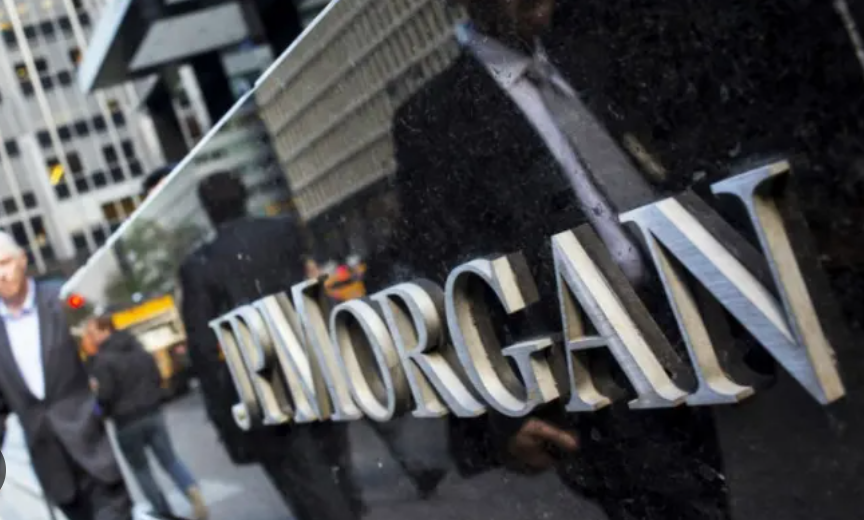
Financial institutions such as JPMorgan Chase ($JPM) and Goldman Sachs ($GS) are among those closely monitoring the situation. These banks, alongside other major investors in private credit, face potential risks related to their credit portfolios. The rising defaults might lead to increased provisioning for loan losses, which could affect their profitability in the coming quarters.
For investors, the surge in defaults presents both challenges and opportunities. While the immediate impact may be negative due to potential losses, some investors might see opportunities to acquire distressed assets at discounted prices. This could lead to a shift in investment strategies as firms reassess their risk portfolios and seek to capitalize on market dislocations.
Market Context and Future Outlook
The broader economic backdrop has contributed to the current situation. Inflationary pressures and the Federal Reserve’s monetary policy tightening have created a challenging environment for borrowers, particularly in the private credit space. As interest rates continue to rise, the cost of borrowing is expected to increase further, potentially leading to additional defaults.
Looking ahead, market participants are closely watching economic indicators and policy decisions that could impact the private credit market. While some analysts believe that default rates may stabilize if economic conditions improve, others warn of a potential increase if current trends persist. Investors are advised to remain vigilant and consider the evolving landscape as they navigate these turbulent times.
In summary, the record-high default rate in the US private credit market highlights the sector’s vulnerability amid changing economic conditions. Financial institutions and investors must adapt to the new reality, balancing risk management with potential opportunities. As the situation unfolds, close monitoring and strategic adjustments will be crucial for navigating the complexities of the private credit landscape.










Comments are closed.