U.S. Strategy Amidst Middle East Tensions
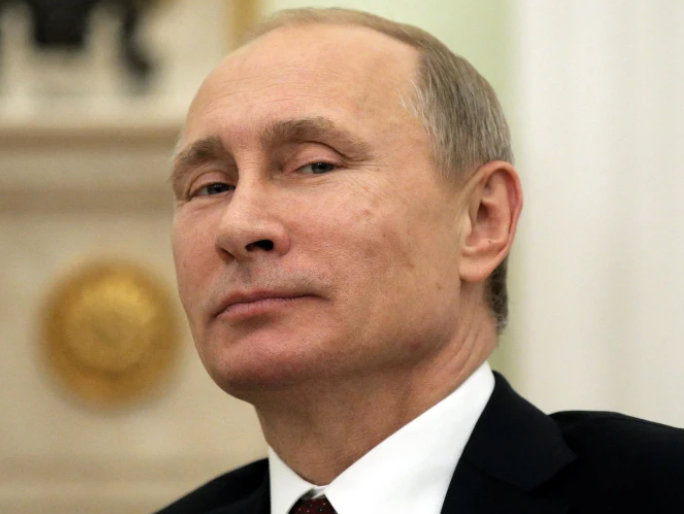
The geopolitical landscape in the Middle East has seen increased complexities as reports highlight Russia’s assistance to Iran by providing intelligence about U.S. military movements. Pete Hegseth, a commentator, has recently downplayed the potential implications of this cooperation, reassuring that the United States has the capability to counter these developments effectively. As the Trump administration closely monitors these activities, strategic discussions are underway to determine the best path forward.
Defense contractors like Raytheon Technologies ($RTN) and Lockheed Martin ($LMT) may see indirect impacts through increased demand for military hardware as tensions escalate. The defense sector often sees fluctuations in stock performance based on geopolitical developments, making it a focal point for investors during such times.
Impact on Global Markets and Defense Stocks
Increased tensions in the Middle East historically lead to volatility in global markets. Oil prices often react first, as concerns over stability in the region can affect supply chains. Brent crude, a key oil benchmark, could see price volatility as the situation develops, influencing related sectors like energy and transport.
Defense stocks, which include major players like Raytheon and Lockheed Martin, could experience heightened investor interest. Analysts suggest monitoring these stocks closely, as their performance may benefit from increased defense spending by the U.S. and its allies. The defense sector’s role in ensuring national security might drive higher valuations if geopolitical tensions persist.
Analysts Weigh In on Strategic Responses
Military analysts have been vocal about the potential responses available to the U.S. government. While some argue for increased military presence, others advocate for diplomatic efforts to de-escalate tensions. The U.S. has historically maintained a significant military presence in the Middle East to safeguard its interests and those of its allies.
Experts emphasize the importance of international collaboration to address such security challenges. NATO allies are expected to engage in discussions to align on strategic priorities, ensuring a unified front against any threats posed by alliances such as Russia and Iran.
Conclusion and Future Outlook
As the Middle East remains on the brink of heightened conflict, the international community watches closely. The potential for diplomatic resolutions remains, but military preparedness is prioritized to deter any aggressive maneuvers. Investors should keep an eye on defense stocks and related sectors as geopolitical tensions influence market dynamics.
In conclusion, while the situation is fluid, the U.S. remains steadfast in its strategic commitments. Future developments will depend on diplomatic negotiations and military assessments. Stakeholders are advised to stay informed on the evolving geopolitical landscape to better navigate investment opportunities.









Comments are closed.