New Trade Investigations Signal Policy Shift
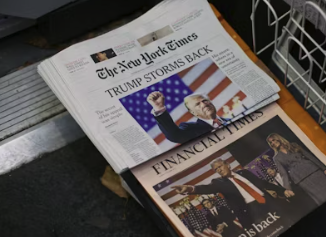
The Biden administration has initiated a series of unfair-trade investigations, marking a significant shift toward a more aggressive trade posture. These probes, targeting specific industries, are seen as an effort to rebuild pressure similar to the tariff policies of the Trump era. The move underscores a continued bipartisan focus on protecting domestic manufacturing, even as the tactics evolve.
While the specific targets of the new investigations have not been fully detailed, the action signals a willingness to use established trade tools to address perceived imbalances. This approach maintains pressure on trading partners, particularly China, and aims to safeguard key U.S. economic sectors from foreign competition deemed unfair.
Market Implications and Sector Watch
Financial markets have historically reacted with volatility to shifts in U.S. trade policy. The announcement of new probes introduces uncertainty, which can weigh on broad market indices like the S&P 500 ($SPY). Sectors most exposed to international trade, such as industrials, technology, and agriculture, are typically the most sensitive to these developments.
Conversely, the U.S. dollar index ($DXY) often finds support during periods of trade tension, perceived as a safe-haven currency. However, the long-term impact depends on the scale of any potential tariffs and retaliatory measures from other nations, which could disrupt global supply chains and inflation trends.
Historical Context and Economic Impact
The Trump administration’s tariffs, particularly those on Chinese goods, were a defining feature of its economic policy. Studies on their impact show mixed results: while they provided protection for some domestic industries, they also raised costs for importers and consumers. The Peterson Institute for International Economics estimated the tariffs cost the U.S. economy in terms of reduced GDP and higher consumer prices.
The new investigations suggest a more targeted, but no less consequential, application of trade remedies. The goal appears to be leveraging legal frameworks to achieve similar protective outcomes without necessarily replicating the blanket tariff approach of the previous administration.
Forward-Looking Analysis for Investors
For investors, the revival of trade tensions necessitates a review of portfolio exposure. Companies with complex global supply chains may face renewed cost pressures and operational hurdles. This environment could benefit more domestically-focused firms and specific sectors deemed strategic, such as semiconductors and clean energy, which are already focal points of industrial policy.
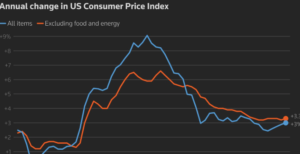
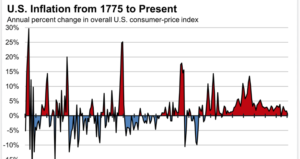
The broader economic risk is that escalating trade measures could complicate the Federal Reserve’s fight against inflation. New tariffs act as a tax on imports, potentially raising consumer prices and making the desired “soft landing” for the economy more difficult to achieve.
Summary and Key Takeaway
The launch of new unfair-trade probes represents a strategic continuation of assertive U.S. trade policy, adapting Trump-era pressure tactics within a more formal investigative framework. Markets are likely to face intermittent volatility as specific targets and potential tariffs are announced. The ultimate economic impact will hinge on the scope of the investigations and whether they lead to negotiated settlements or a new cycle of retaliatory measures.
Investors should monitor developments closely, prioritizing companies with resilient supply chains and pricing power. The situation reinforces the importance of geopolitical risk as a persistent factor in market analysis, with trade policy remaining a direct lever on corporate profits and economic growth.






Comments are closed.