Trump Administration Alters Stance on Iran Conflict
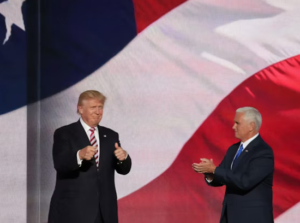
The Trump administration has presented varying narratives regarding the U.S. military actions against Iran, initially citing the need to protect American citizens by neutralizing perceived imminent threats from the Iranian regime. This move has sparked a wave of criticism from Democratic leaders, who question the legitimacy and transparency of the administration’s objectives.
Political Backlash and Criticism
Democratic representatives have been vocal in their condemnation, calling for more evidence to justify the military engagement. They argue that the administration’s goals are ambiguous and lack substantive proof of immediate danger to the United States. This political friction unveils deeper divisions within the U.S. government regarding foreign policy and military strategy.
Economic Repercussions of Escalating Tensions
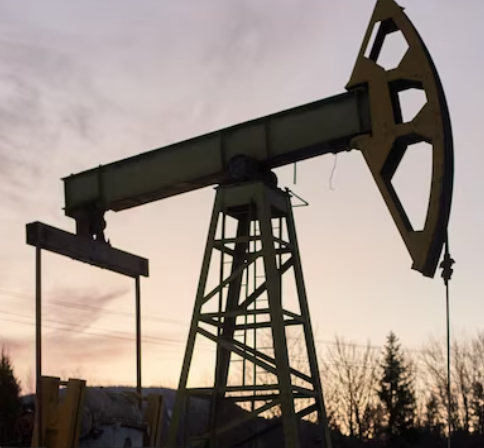
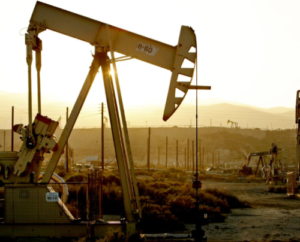
The geopolitical instability has had a noticeable impact on global markets, particularly in the oil sector. Crude oil prices saw a significant spike following the initial strikes, reaching levels not seen since the early months of the pandemic. Investors remain cautious as the potential for further military engagement could lead to more volatility.
Market analysts have pointed out the risk premium now embedded in oil prices, reflecting concerns over supply disruptions in a region that produces a significant portion of the world’s oil. Historically, Middle Eastern tensions have led to increased oil volatility, affecting everything from stock market performance to consumer prices.
Global Response and Future Outlook
The international community has responded with calls for de-escalation and diplomacy. European allies have urged both the U.S. and Iran to seek peaceful solutions, while countries such as Russia and China have expressed their opposition to further military actions. This complex geopolitical landscape highlights the interconnected nature of global economies and the importance of diplomatic channels.
Economists warn that prolonged conflict could have ripple effects, potentially slowing global growth and increasing inflationary pressures. Businesses and investors are advised to stay informed and consider hedging strategies to mitigate risks associated with geopolitical instability.
Summary
The U.S. administration’s evolving stance on its military actions in Iran has prompted political and economic consequences. While market volatility is apparent, the future remains uncertain as stakeholders across the globe call for diplomacy. Investors should remain vigilant, as the situation continues to unfold.






Comments are closed.