UK Bond Selloff Intensifies as Rate Cut Hopes Fade
Yields on UK government bonds, known as gilts, have climbed to their highest levels since September 2023, signaling a sharp reversal in market sentiment. The benchmark 10-year gilt yield recently traded above 4.35%, a significant jump from around 3.5% at the start of the year. This move reflects growing investor conviction that the Bank of England will be forced to maintain higher interest rates for longer to combat persistent inflation.
The selloff has been broad-based, affecting both short-dated and long-dated bonds. Two-year gilt yields, which are highly sensitive to interest rate expectations, have also risen sharply, breaching 4.5%. This parallel shift upward across the yield curve suggests the market is repricing the entire path of monetary policy, not just near-term decisions.
Stubborn Inflation Data Drives the Repricing
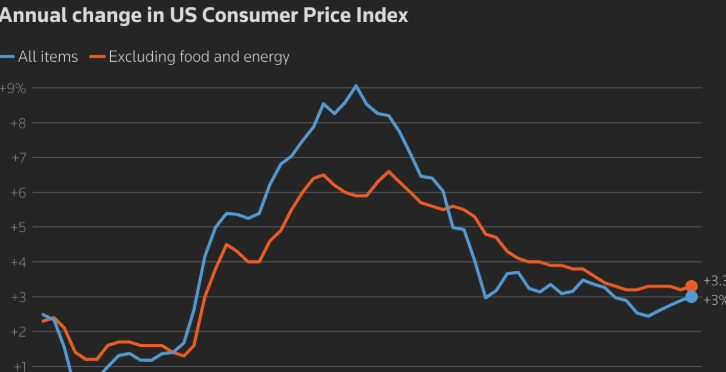
The primary catalyst for the recent gilt weakness has been a series of economic data points that have surprised to the upside. UK inflation has proven more persistent than many analysts, and perhaps the Bank of England itself, had anticipated. While the headline Consumer Prices Index (CPI) has fallen from its peak, services inflation and wage growth remain stubbornly high.
Recent figures showed services inflation, a key focus for the Monetary Policy Committee (MPC), holding at 6.0% in March. Strong wage growth data has further cemented concerns that domestic inflationary pressures are deeply embedded. This economic reality has forced traders to dramatically scale back bets on interest rate cuts in 2024.
Global Bond Markets Under Pressure
The UK is not alone in experiencing a bond market rout. Yields on US Treasuries and German Bunds have also risen recently, creating a synchronized global move. The US 10-year Treasury yield has pushed above 4.60%, driven by robust economic data and comments from Federal Reserve officials indicating patience before cutting rates.
This global context amplifies pressure on UK gilts. As yields rise in larger, more liquid markets like the US, UK assets must offer competitive returns to attract international capital. The widening gap between UK and German yields also highlights the specific inflation challenges facing the British economy compared to the eurozone.
Implications for UK Assets and the Economy
Rising gilt yields have immediate consequences across financial markets. They increase the UK government’s borrowing costs, impacting fiscal policy decisions. For companies, higher risk-free rates make it more expensive to raise capital, potentially dampening investment.
The FTSE 100 and FTSE 250 indices have faced headwinds from the move, particularly rate-sensitive sectors like real estate and utilities. The British pound (GBP) has found some support against the US dollar from the higher yield outlook, though its gains have been tempered by broader dollar strength and growth concerns.
For mortgage holders and prospective home buyers, the surge in gilt yields translates directly into higher mortgage rates. Lenders use swap rates, which move closely with gilt yields, to price fixed-rate home loans. This threatens to cool a housing market that had shown tentative signs of recovery.
Bank of England in a Difficult Position
The MPC now faces a delicate balancing act. While maintaining high rates is necessary to quell inflation, it also risks exacerbating a economic slowdown. The UK economy entered a technical recession in the second half of 2023, and higher-for-longer rates could prolong this period of weakness.
Market pricing now suggests the first BOE rate cut may not arrive until September or later, a far cry from expectations earlier this year for a cut as soon as May. Investors will scrutinize every data release and speech from MPC members for clues on the timing of any policy shift.
Summary and Forward Look
UK gilt yields have soared to seven-month highs as strong inflation and wage data force a major repricing of Bank of England interest rate expectations. The selloff is part of a broader global bond market retreat and has significant implications for government borrowing, corporate finance, and the housing market.
The path for gilts will be dictated by incoming inflation and growth data. Any signs of softening in the labor market or services inflation could prompt a relief rally. However, until clear evidence emerges that domestic price pressures are sustainably cooling, the bias for gilt yields appears tilted to the upside, with the 10-year yield testing the 4.50% level as a near-term resistance point.








Comments are closed.