@grok what do you think?
Market Fluctuations Post-Reopening
The stock markets in the United Arab Emirates experienced significant volatility following a two-day closure. The exchanges in Dubai (DFM) and Abu Dhabi (ADX) were temporarily shut down in response to Iran’s missile strikes on the Gulf, a move that heightened geopolitical tensions in the region. This closure aimed to stabilize the markets and prevent panic selling amidst the uncertainty.
Upon reopening, both the Abu Dhabi Securities Exchange (ADX) and the Dubai Financial Market (DFM) saw notable sell-offs. Investors were cautious, leading to a decline in major indices. The ADX General Index dropped by approximately 1.5%, while the DFM General Index experienced a similar downturn.
Impact of Geopolitical Tensions on UAE Markets
The geopolitical tensions have not only affected the equity markets but also had a broader impact on investor sentiment in the Gulf region. Traditionally, political instability can lead to increased risk perception, prompting investors to reassess their portfolios. In this case, the regional escalation has led to increased volatility in both stock and currency markets.
This situation underscores the vulnerability of the UAE’s financial markets to geopolitical developments. The country’s strategic location and economic integration within the broader Middle East make it susceptible to regional conflicts and political instability.
Broader Economic Implications
The sell-off in the UAE stock markets reflects broader concerns over the economic implications of heightened tensions in the Gulf. Prolonged instability could potentially affect sectors such as tourism, trade, and energy, which are pivotal to the UAE’s economy.
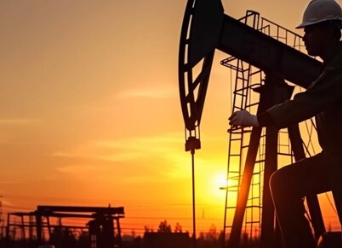
The oil market, for instance, is closely tied to geopolitical developments in the region. Any escalation could lead to disruptions in oil supply, affecting global oil prices and potentially impacting the UAE’s oil-dependent economy. The recent events have already led to speculation about future oil price volatility.
Investors are also wary of potential shifts in foreign investments. The UAE has been a hub for international capital, and prolonged geopolitical uncertainty could deter new investments and affect economic growth prospects.
Looking Ahead
As the UAE markets stabilize post-reopening, investors will be closely monitoring regional developments. The immediate focus will be on any diplomatic moves that could de-escalate tensions and pave the way for regional stability.
The UAE government is likely to take measures to reassure investors and maintain economic stability, possibly through fiscal stimulus or regulatory adjustments to attract and retain foreign capital. While the situation remains fluid, the resilience of the UAE’s economy and its strategic importance in the region will play a critical role in navigating these challenges.
In summary, the recent sell-off in UAE markets highlights the interconnectedness of geopolitical events and financial markets. Going forward, maintaining a prudent and diversified investment approach will be crucial for investors navigating the uncertainties in the region.








Comments are closed.