
UAE Denies Allegations of Iranian Facility Attack
The United Arab Emirates (UAE) has firmly denied allegations that it launched an attack on an Iranian desalination facility. This claim, initially reported by Israeli sources, suggested a direct UAE strike on Iranian territory, a significant escalation in the ongoing regional conflict. However, UAE officials have categorically refuted these accusations, emphasizing the nation’s commitment to avoiding civilian infrastructure as targets. A senior UAE official reiterated to The Jerusalem Post that the country was not involved in any such military action.
Regional Tensions and Water Security Concerns
The geopolitical landscape in the Gulf remains volatile, with Bahrain confirming that Iran damaged one of its desalination plants through a drone attack. This incident highlights the growing threat to critical water infrastructure in the region, where countries like Kuwait, Oman, and Saudi Arabia rely heavily on desalination for their drinking water—up to 90% in some cases. Analysts warn that any further disruptions could exacerbate the already tense situation, leading to potential chaos given the region’s dependency on these facilities.
Market Reactions and Energy Sector Impact
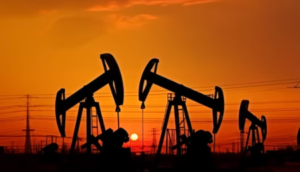
Amid these geopolitical tensions, global energy markets have experienced significant fluctuations. Oil prices have surged, with Brent crude reaching $92.69 per barrel, marking an 8.5% increase, while U.S. benchmark crude climbed to $90.90, up by 12.2%. This increase is driven by fears of supply disruptions in the Strait of Hormuz, a critical chokepoint for global oil shipments. In response, energy stocks have seen a notable rise; Occidental Petroleum gained nearly 7%, while Chevron’s shares rose by approximately 4%.
In the Gulf region, stock markets have been particularly volatile. Following a two-day closure, the Abu Dhabi and Dubai stock exchanges reopened to significant losses, with Dubai’s index dropping 4.7% and Abu Dhabi’s falling 3.3%. This market volatility reflects investor concerns over the escalating conflict and its potential impacts on regional stability.
Strategic Responses and Diplomatic Shifts
The UAE has taken a firm stance on its defense posture, reaffirming its right to self-defense while maintaining that no changes have been made in response to the Iranian attacks. The Gulf Cooperation Council (GCC) has shown unity, with member states including Qatar and Saudi Arabia condemning Iranian aggression and signaling their readiness to defend regional security if necessary. In a significant diplomatic move, the UAE has closed its embassy in Tehran and recalled its ambassador, effectively severing diplomatic ties with Iran.
Expert Analysis and Future Outlook
Experts caution that continued attacks on water infrastructure could lead to greater chaos in the Gulf, given the critical role of desalination in the region’s survival. Allianz Research notes that energy shipping disruptions and war-risk surcharges are already driving energy prices upward. They project that Brent crude could reach $85 per barrel if the conflict de-escalates soon, but prices could spike to $100 if disruptions persist. Financial strategists emphasize the region’s vulnerability to geopolitical shocks, highlighting the potential for short-term market volatility and the possibility of a rebound if tensions ease.
In conclusion, while the UAE has denied involvement in the alleged attack on Iran, the broader conflict continues to destabilize the region. This has tangible impacts on water infrastructure, energy markets, and investor sentiment. As oil prices remain elevated and markets volatile, Gulf states are reinforcing their security and diplomatic stances amid mounting tensions. The coming weeks will be crucial in determining the trajectory of this conflict and its economic implications.









Comments are closed.