
U.S. Trade Deficit Stays Stubborn at $901 Billion in 2025
The U.S. trade deficit for 2025 has been reported at a staggering $901 billion, showing a remarkable resilience despite the imposition of tariffs during the Trump administration.
In December alone, the trade imbalance expanded, reflecting ongoing challenges in balancing imports and exports. The figures indicate that the trade deficit has essentially remained unchanged compared to the previous year, raising questions about the effectiveness of trade policies aimed at reducing this gap.
Understanding the Trade Deficit
The trade deficit occurs when a country’s imports exceed its exports. A persistent trade deficit can lead to a weaker currency and increased national debt, as countries borrow to finance their imports. The latest data shows that despite various strategies to bolster domestic production and reduce reliance on foreign goods, the U.S. continues to heavily import more than it exports.
For the U.S., the top imports include machinery, electronics, and vehicles, much of which are sourced from countries such as China, Mexico, and Japan. On the export side, the U.S. primarily sends agricultural products, aircraft, and pharmaceuticals overseas. However, the imbalance remains significant, indicating challenges in trade negotiations and economic growth strategies.
The Impact of Tariffs
Former President Trump’s administration implemented tariffs on a wide range of imported goods, aiming to protect American jobs and encourage local manufacturing. While these tariffs initially led to increased costs for consumers and businesses, their long-term impact on the trade deficit has been limited.
In fact, many economists argue that tariffs can lead to retaliatory measures from trading partners, further complicating trade relations. The recent figures suggest that despite these efforts, the U.S. trade deficit has not shown significant improvement, leading to debates about the efficacy of such policies.
Market Reactions and Economic Implications
The static nature of the trade deficit has implications for the overall U.S. economy. Analysts often suggest that a high trade deficit can be a sign of a strong economy where consumers are willing to spend. However, it also raises concerns about dependency on foreign goods and potential vulnerabilities in economic downturns.
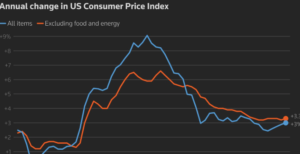
Financial markets have reacted cautiously to the data, with investors closely monitoring trade relations and potential policy changes under the current administration. Economic indicators such as GDP growth, inflation rates, and employment figures will also play a pivotal role in shaping future outlooks for the trade balance.
Looking Ahead
As the U.S. navigates the complexities of international trade, the focus will likely shift to how the current administration addresses the trade deficit. Future negotiations with key trading partners, alongside efforts to enhance domestic production capabilities, will be critical to altering the trajectory of the trade imbalance.
In conclusion, the U.S. trade deficit’s stagnation at $901 billion in 2025 reflects both the challenges of global trade dynamics and the limitations of tariff-based strategies. Moving forward, stakeholders will need to assess how policy adjustments can effectively impact trade balances and foster sustainable economic growth.
Considering the current economic landscape, market participants should remain vigilant as developments unfold, which may influence both trade policies and financial markets in the near future.




Comments are closed.