Payroll Growth Exceeds Expectations
The U.S. labor market demonstrated unexpected resilience in March, with nonfarm payrolls increasing by 178,000 jobs, vastly exceeding economists’ predictions of a mere 59,000. This substantial gain reflects ongoing recovery efforts in various sectors, particularly as businesses continue to adapt post-pandemic.
March’s improvement in job creation was pivotal, considering the backdrop of fluctuating economic indicators. The unemployment rate also saw a favorable adjustment, falling to 4.3%, a decrease from the prior month’s rate of 4.4%. This positive trend in employment figures is a beacon of hope for stakeholders, signifying that the job market is steadily tightening.
Sector Performance Highlights
The broad disparity in job growth across sectors underscores the complex dynamics of the current economy. Notably, the professional and business services sector led the charge, contributing a significant number of jobs, alongside growth in health care and leisure and hospitality.
For instance, the leisure and hospitality sector, which was among the hardest hit during the pandemic, continued its upward trajectory as more consumers returned to in-person activities, further buoying job creation. Meanwhile, manufacturing and construction also showed solid performances, reflecting increased demand in these critical areas.
Market Reactions and Economic Implications
As news of the robust payroll numbers broke, stock markets responded positively, with major indices like the S&P 500 and Dow Jones Industrial Average rising in early trading. Investors are now keenly observing these indicators, as they may influence the Federal Reserve’s decision-making regarding interest rates and inflation control measures.
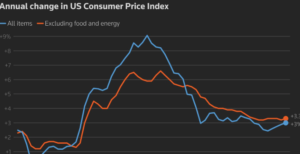
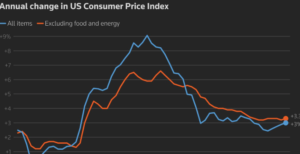
Economists suggest that sustained job growth could prompt a shift in monetary policy, particularly if inflationary pressures continue to mount. With job availability rising and unemployment falling, consumer spending could see an uptick, stimulating overall economic growth, which is a crucial element as the recovery continues.
Future Outlook: What Lies Ahead?
Moving forward, analysts are closely monitoring additional economic indicators, such as wage growth, which recently showed signs of acceleration. Higher wages could help maintain consumer spending but might also contribute to inflationary pressures, complicating the Fed’s policy landscape.
Moreover, with the global economic landscape constantly evolving, factors such as geopolitical tensions, supply chain disruptions, and shifts in consumer behavior will play significant roles in shaping the U.S. labor market. The upcoming months will be critical in determining whether the labor market can maintain this momentum or if external factors will hinder its progress.
Conclusion
In summary, the March payroll report paints a picture of a labor market that is not only recovering but also adapting to new economic realities. With an increase in both job numbers and a decrease in unemployment, the U.S. economy shows signs of strength. However, potential inflationary pressures and global uncertainties may affect this growth trajectory moving forward. Stakeholders will need to remain vigilant as they navigate the evolving economic landscape.




Comments are closed.