
U.S. Military Assessment Points to Involvement
In a shocking development, CBS News reported that a preliminary U.S. military assessment indicates the United States is “likely” responsible for the bombing of a girls’ school in Minab, Iran. The incident, which occurred on February 28, resulted in the tragic loss of 168 lives, many of whom were children. The investigation suggests that outdated intelligence may have led to the school being misidentified as a military installation, sparking widespread condemnation and calls for accountability.
The White House has emphasized that the investigation is ongoing, and no definitive conclusions have been reached. However, the mounting evidence has prompted international scrutiny and demands for a transparent inquiry. Human Rights Watch has called for a war crimes investigation, highlighting the timing of the attack during school hours and the lack of military activity at the site.
Market Reactions and Economic Implications
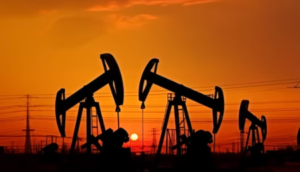
The geopolitical tensions have had an immediate impact on global markets, particularly in the energy sector. Oil prices have surged past $100 per barrel for the first time since 2022, with Brent crude trading around $101.81 and WTI at approximately $101.56. The potential disruption of energy supplies through the Strait of Hormuz, which handles about 20% of the world’s oil, has been a significant factor in the price spike.
Stock markets have also felt the strain, with Wall Street futures dropping more than 1% as investors brace for increased volatility. Asian markets have experienced steep declines, with Tokyo’s Nikkei falling between 5% and 7%. The S&P 500, Dow, and Nasdaq have all posted substantial losses, marking the worst weekly performance since October.
Calls for Accountability and Future Outlook
As the investigation continues, there is growing pressure on the U.S. government to address the incident’s ramifications. Legal and diplomatic consequences are likely, especially if the U.S. is confirmed as responsible. The incident has drawn comparisons to past military blunders, raising questions about the rules of engagement and the protection of civilians in conflict zones.
Analysts warn that the ongoing conflict could exacerbate global economic challenges, particularly if oil prices remain elevated. The potential for inflationary pressures to derail post-pandemic recoveries is a key concern for financial strategists. While geopolitical shocks typically lead to market downturns, a prolonged conflict could alter this dynamic if energy prices continue to rise.
In summary, the situation remains fluid as investigations proceed and markets react to the unfolding events. The potential for further volatility is high, and stakeholders are closely monitoring developments. Transparency and accountability will be crucial in addressing the incident’s impact on international relations and market stability.








Comments are closed.