
U.S. Embassy in Riyadh Hit by Drones Amid Rising Tensions
The geopolitical landscape in the Middle East took a dramatic turn on March 2, 2026, as two suspected Iranian drones struck the U.S. Embassy in Riyadh, Saudi Arabia. This attack, which resulted in a small fire and minor material damage, fortunately left no injuries. The incident has sparked heightened security measures, with Saudi authorities and the U.S. Mission issuing a ‘shelter in place’ alert for American citizens in Riyadh, Jeddah, and Dhahran.
Regional Escalation and Military Responses
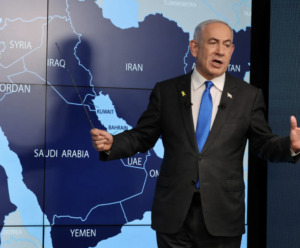
The drone strike is part of a broader escalation of conflict in the region. Iran has reportedly launched coordinated missile and drone attacks targeting U.S. allies across the Gulf. Notably, the Ras Tanura oil refinery in Saudi Arabia was also targeted, although intercepted drones only caused a controlled fire. In retaliation, Israel has conducted airstrikes on Iranian and Hezbollah targets in Lebanon, while U.S. and Israeli forces have targeted infrastructure in Iran.
The conflict has already resulted in significant casualties, with over 555 deaths reported in Iran and additional casualties in Lebanon and Israel. The strategic Strait of Hormuz, a critical energy corridor, has been closed by Iranian forces, although this move is contested by U.S. Central Command.
Market Reactions and Economic Implications
The geopolitical tensions have sent shockwaves through global markets. Oil prices have surged due to fears of supply disruptions, with Brent crude experiencing a spike of up to 9%, reaching multi-month highs near $78 per barrel. This surge is driven by concerns over potential closure threats to key shipping routes like the Strait of Hormuz.
In response to the escalating conflict, investors have flocked to safe-haven assets. Gold prices have soared to nearly $5,400 per troy ounce, reflecting heightened demand for security amid the uncertainty. Defense stocks have also rallied, with Lockheed Martin rising approximately 2.1%, and Northrop Grumman and RTX each climbing around 4.2%. AeroVironment (AVAV) saw a particularly bullish gain of about 10%.
Conversely, the travel and tech sectors have suffered amid the turmoil. Airline and hospitality stocks have dropped by up to 3.8%, while technology giants like Amazon, Alphabet, and Broadcom have faced losses exceeding 1% due to rising volatility and travel disruptions.
Strategic Developments and Future Outlook
In light of these developments, the U.S. has deployed kamikaze drones modeled after Iran’s Shahed drones, targeting Iranian military infrastructure as part of Operation Epic Fury. Iran, meanwhile, has vowed continued retaliation, targeting U.S. bases and political centers.
Regional governments and international organizations are closely monitoring the situation, tracking displacement and escalating humanitarian risks, and calling for immediate de-escalation.
Conclusion and Forward-Looking Takeaway
The recent drone strike on the U.S. Embassy in Riyadh underscores the volatile nature of Middle Eastern geopolitics and its far-reaching implications on global markets. As tensions continue to rise, investors are likely to seek refuge in safe-haven assets, while defense and energy sectors may benefit from increased demand. However, the broader economic impact remains uncertain, with potential disruptions to oil supply and travel continuing to pose significant risks.







Comments are closed.