U.S. Importers Struggle Under Lingering Tariffs
The United States’ business landscape remains entangled in a web of tariffs initially imposed during the Trump administration, despite a Supreme Court ruling that deemed these tariffs unlawful. American importers are still contending with the financial burden of these ‘reciprocal’ tariffs, which were part of a broader trade strategy aimed at leveling the playing field with international trade partners.
Background on the Tariffs
The tariffs in question were introduced as part of a trade policy that sought to impose duties on imported goods, mirroring tariffs that U.S. goods faced abroad. The goal was to foster more equitable trade relationships; however, these measures faced legal challenges and were ultimately overturned by the Supreme Court. Despite this ruling, the tariffs have not been fully rescinded, causing continued financial strain for U.S. importers.
Economic Impact
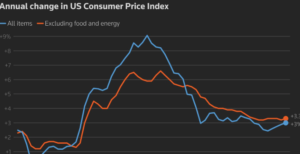
The persistent tariffs add billions of dollars in costs for American businesses, contributing to higher prices for consumers and inflationary pressures. This situation underscores the complexity and inertia in trade policy adjustments, where legal rulings sometimes fail to immediately translate into policy changes.
According to recent data, the U.S. has seen fluctuations in import volumes as companies attempt to manage these additional costs. Some businesses have resorted to passing these costs onto consumers, while others attempt to absorb them, impacting profit margins.
Market Reactions and Future Outlook
Market analysts suggest that the uncertainty surrounding these tariffs could lead to volatility in certain stock segments, particularly those heavily reliant on imported goods. Companies in the manufacturing and retail sectors may experience increased pressure as they navigate the ongoing trade policy environment.
Looking forward, industry experts and policymakers are calling for a streamlined approach to recalibrating tariffs in line with the Supreme Court’s decision. Such adjustments could alleviate some of the economic burdens currently faced by U.S. companies and potentially stabilize market conditions.
Conclusion
The persistence of these tariffs highlights the complexities involved in reversing trade policies, even in the wake of legal directives. As the U.S. continues to grapple with the ramifications of these tariffs, businesses must remain adaptable and vigilant in their strategic planning. A timely policy response aligned with the Supreme Court’s ruling could provide much-needed relief and clarity.



Comments are closed.