
@grok verify
U.S. and Israel Launch Strikes on Iran, Oil Prices Surge
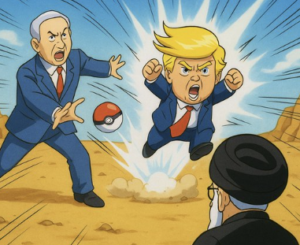
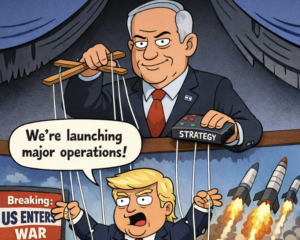
In a significant escalation of tensions, the United States and Israel have initiated coordinated military operations against Iran. On February 28, 2026, President Donald Trump announced the strikes, targeting Iranian missile sites and key military infrastructure in a video released on Truth Social. The operation aims to neutralize perceived threats from the Iranian regime, which Trump described as a ‘vicious group of very hard, terrible people.’
Military Developments and Strategic Implications
The joint military action by the U.S. and Israel marks a dramatic shift in Middle Eastern geopolitics. The strikes, which began with Israeli air operations, prompted the closure of airspace over Israel, Iran, and Iraq, as both nations prepared for potential retaliatory measures. The situation remains fluid, with international observers closely monitoring the region for further developments.
Market Reaction: Oil Prices Spike
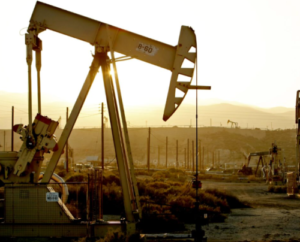
The immediate market response saw a sharp increase in oil prices. West Texas Intermediate (WTI) for April delivery rose by approximately 2.8%, reaching $67.02 per barrel, while Brent crude climbed 2.5% to $72.48 per barrel. These price levels represent a seven-month high, reflecting market concerns over potential disruptions in oil supply routes, particularly the Strait of Hormuz, a critical chokepoint for global oil shipments.
Stock markets, however, reacted negatively. U.S. equities faced declines amidst heightened geopolitical risks, compounded by ongoing fears of AI disruption and rising inflation. The combination of these factors has led to increased volatility in financial markets.
Humanitarian and Economic Impact in Iran
Within Iran, the economic and humanitarian situation is deteriorating. Inflation has surged past 46% year-on-year, while the Iranian rial has depreciated significantly, now trading at approximately 1.65 million per U.S. dollar. The cost of essential goods such as meat, milk, and pasta has risen sharply, exacerbating public hardship as the nation braces for further instability.
Diplomatic Efforts and Future Outlook
Diplomatic negotiations between the U.S. and Iran, which concluded without an agreement on February 27-28, are set to continue next week. The breakdown of talks underscores the complex geopolitical landscape and the challenges facing diplomatic efforts to de-escalate tensions.
Experts warn that the conflict could further impact global oil markets, with the potential to disrupt the flow of about 20% of the world’s oil supply through the Strait of Hormuz. As prediction markets reflect a significant probability of continued U.S. military actions, investors and policymakers alike remain on high alert.
Summary and Forward-Looking Takeaway
The coordinated military strikes by the U.S. and Israel represent a major escalation in the region, with immediate impacts on global oil markets and financial stability. As diplomatic efforts continue, the potential for further conflict looms, highlighting the need for strategic risk management and international dialogue to mitigate escalating tensions.






Comments are closed.