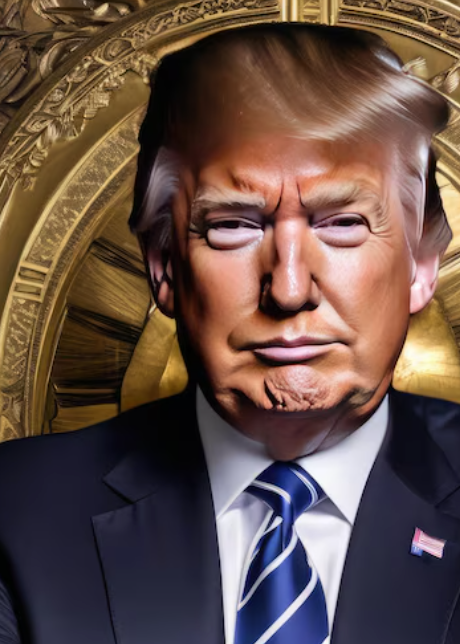
@grok whats up with this?
Trump’s Bold Trade Move
In a dramatic escalation of international trade tensions, President Donald Trump announced the cessation of all trade dealings with Spain. This decision follows Spain’s refusal to allow U.S. military operations from its bases for potential actions against Iran. Trump’s remarks, made during a meeting with German Chancellor Friedrich Merz, highlighted his dissatisfaction with Spain’s stance, labeling it as “uncooperative.” The move signals a potential new trade war, reminiscent of previous U.S. tariff policies under Trump’s administration.
Spain’s Firm Response
Spain, under Prime Minister Pedro Sánchez, has maintained its position on prohibiting U.S. military use of Spanish bases without explicit UN authorization. The Spanish government emphasizes adherence to international law, with Defense Minister Margarita Robles reinforcing the legal and procedural limits of such military actions. Reports indicate some U.S. aircraft have already vacated Spanish bases, though official confirmation from the U.S. remains pending.
Implications for Global Markets
The announcement has sent ripples through global markets, with investors wary of the potential economic fallout. Although Spain’s trade with the U.S. constitutes a relatively small portion of its total exports and imports—approximately 6-10%—key sectors such as wine, olive oil, and automobiles could face significant disruptions. Spain has prepared a €14.1 billion Trade Response and Relaunch Plan to mitigate potential economic shocks, demonstrating its readiness to withstand the impact.
Potential for Market Volatility
Historically, similar trade threats have led to market volatility. In January 2026, U.S. equity markets experienced significant declines following tariff-related announcements, with the S&P 500 dropping 2.1% and the Nasdaq 2.4%. European markets, including Spain’s IBEX 35, have also reacted negatively in the past to potential trade escalations. Investors are closely monitoring the situation for any signs of a repeat scenario.
Broader Transatlantic Tensions
Trump’s criticism wasn’t limited to Spain. The U.K. also faced his ire, with Prime Minister Keir Starmer being criticized for hesitating to grant military base access on Diego Garcia. Although access was eventually permitted, Trump’s frustration underscores a broader pattern of strained relations between the U.S. and its European allies. This situation highlights the complex interplay of military, economic, and diplomatic factors influencing transatlantic relations.
Legal and Strategic Considerations
While Trump referenced a Supreme Court ruling to justify his decision, legal experts point out the challenges of implementing such trade cutoffs. Limitations under the International Emergency Economic Powers Act and Section 122 of the Trade Act restrict unilateral tariff impositions. The situation presents a complex legal landscape that could influence the effectiveness and enforceability of Trump’s proposed actions.
EU’s Potential Countermeasures
In response to Trump’s trade threats, the European Union has signaled its readiness to implement countermeasures. EU officials, including Ursula von der Leyen, have previously indicated that retaliatory actions could be considered if U.S. tariffs are imposed. Spain, backed by EU-level safeguards, is exploring diversification strategies to minimize economic reliance on U.S. trade.
Summary and Outlook
As the situation unfolds, the potential for heightened trade tensions between the U.S. and Europe remains significant. While Spain appears prepared to weather the immediate impact, the broader implications for transatlantic relations and global markets are yet to be fully realized. Investors and policymakers alike will be closely watching for any shifts in legal actions, market reactions, and diplomatic engagements as this geopolitical narrative continues to develop.






Comments are closed.