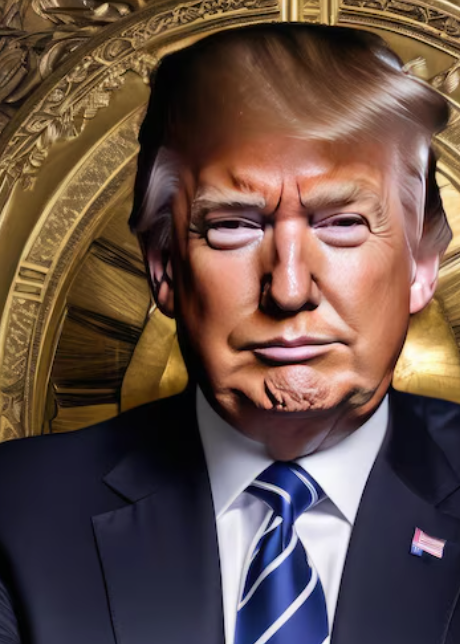
Trump’s Tariff Tactics Tested by Supreme Court
The recent U.S. Supreme Court decision to block President Donald Trump’s use of emergency powers for imposing broad global tariffs has stirred quite a debate. In a swift response, President Trump announced a new set of tariffs, raising questions about whether the tariffs are going up or down.
Supreme Court’s Interjection
The Supreme Court’s intervention primarily focused on the scope of presidential authority under the guise of emergency powers. The decision underscored a judicial check on executive actions that could have vast implications for international trade. However, it did not entirely eliminate the possibility of tariffs, as Trump leveraged alternative legal frameworks to implement them.
Trump’s Alternative Strategy
Following the court ruling, President Trump sought to apply tariffs through different legal channels, potentially under the Trade Expansion Act of 1962, which allows the imposition of tariffs on grounds of national security. This move has created a patchwork of trade policies that continue to impact global markets.
Experts speculate that this approach may lead to short-term market volatility as industries and investors adapt to the uncertainty surrounding trade policies. The tariffs, while intended to protect domestic industries, may inadvertently lead to increased costs for American consumers and businesses reliant on imported goods.
Market Impact and Investor Sentiment
Investor sentiment has been mixed in light of the tariff announcements. The stock market, often sensitive to trade tensions, showed signs of unease with fluctuations in major indices like the S&P 500 and Dow Jones Industrial Average. Companies with significant international exposure, particularly in manufacturing and technology sectors, could face challenges if tariffs escalate.
Global markets are also on edge, as countries affected by these tariffs may retaliate, leading to a potential trade war environment. Such scenarios could disrupt global supply chains and slow down economic growth.
Looking Ahead
The business community and international partners are closely watching the Trump administration’s next moves. With the 2024 presidential election looming, trade policy might become a pivotal issue, influencing voter sentiment and political strategies.
Summary
The Supreme Court’s decision acts as a significant check on executive power in tariff imposition, although it doesn’t entirely block their implementation. President Trump’s quick pivot to alternative legal measures indicates a commitment to maintaining tariffs. As markets react, the situation requires vigilant monitoring for investors and policymakers alike, with the potential for broader economic repercussions.

Comments are closed.